
Ossos
1997
No user ratings available yet
Representation score: 8.5 out of 10
Representation Score
Good
1993
Director
Ildikó Szabó
Runtime
78 minutes
Average Rating
No ratings yetNew Showbiz Analysis
Child Murders is a bleak examination of systemic failure and urban decay. It effectively deconstructs the idealized family unit and criticizes the indifference of post-socialist social structures. The film uses domestic dysfunction to challenge traditional social hierarchies. However, the film's impact is limited by its homogeneous setting and lack of diverse identities. The focus remains heavily localized within a specific socio-economic stratum in Budapest, offering little representation of queer or multi-ethnic perspectives. While the film provides a nuanced look at how environmental circumstances blur the lines between victim and aggressor, it relies on disability and gender vulnerability as narrative drivers rather than exploring those identities with independent depth.
Category Breakdown
The film does not include explicit LGBTQ+ characters or non-straight relationships. The story revolves around a connection between the protagonist and a pregnant girl, emphasizing a traditional biological path.
Gender hierarchies are challenged by showing domestic life through dysfunction. Female characters are shown through vulnerability, while the young protagonist takes on a role of forced maturity and caretaking.
The story unfolds in a localized Budapest setting, focusing on a homogeneous social group. It prioritizes socio-economic decay over racial or multi-ethnic diversity.
The film strongly critiques traditional institutions and the social contract. It portrays the state and family as failing, indifferent, or sites of neglect.
The grandmother’s bedridden state due to alcoholism introduces themes of physical and mental incapacity. However, this condition primarily serves as a catalyst for the protagonist's isolation.
Present on Screen
Limited or Absent
Official Synopsis
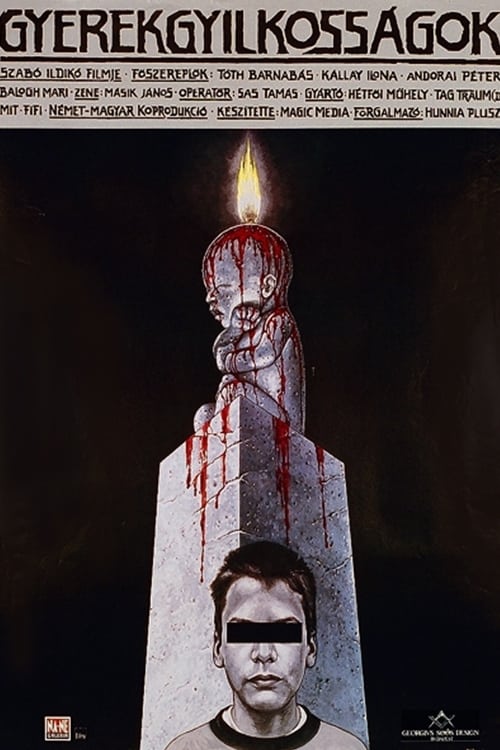
Twelve-year-old Zsolt lives in a dilapidated Budapest flat and is the lone caretaker for his grandmother, a woman lost to drink and confined to her bed. Harassed by local gangs and ignored by an indifferent society, he forms a desperate connection with a pregnant girl. This isolation eventually drives him to commit a series of irreversible, violent acts.
1997

1980
1997
1967

1963

2007
1980

1988
No reviews yet. Be the first to share your thoughts on this movie!
Use the rating form above to leave a star rating and optional review.