
Until the End of the Night
1995
No user ratings available yet
Representation score: 4.1 out of 10
Representation Score
Fair
1980
Director
Gérard Blain
Runtime
105 minutes
Average Rating
No ratings yetNew Showbiz Analysis
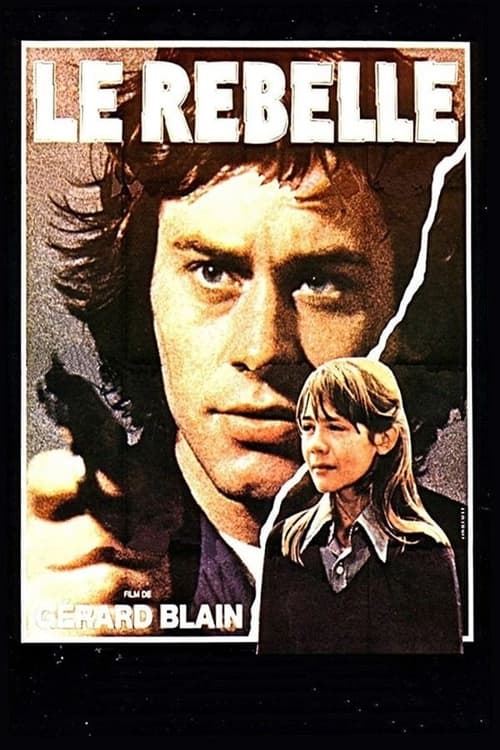
The Rebel is a stark, minimalist drama that emphasizes systemic critique over demographic diversity. It effectively deconstructs the social contract, portraying state and familial institutions as oppressive forces that push the protagonist toward radicalism and violence. While the film lacks racial and gender diversity, it offers a nuanced look at non-straight relationships through the dynamic between Pierre and Hubert. This adds a layer of complexity often missing from traditional period dramas. Ultimately, the film's strength lies in its intellectual examination of social structures. It prioritizes a deep, though grim, exploration of institutional failures over broad representation.
Category Breakdown
The film includes a central subplot where an older man, Hubert, mentors and stabilizes Pierre. Hubert's romantic interest in Pierre is a crucial, complex moment in Pierre's journey.
The narrative focuses on male isolation and rebellion, with Nathalie serving mainly as a catalyst for Pierre's actions rather than having her own independent storyline.
The film features a homogeneous cast set in a rural French environment. There is no indication of racial diversity or non-white casting in this specific socioeconomic context.
The story sharply criticizes Western institutions, depicting the family unit and child services as sources of trauma. Systemic failure is portrayed as the primary driver of the protagonist's radicalization.
X-rays and similar motifs suggest themes of physical or mental fragility. However, these elements serve as existential metaphors for societal decay rather than giving characters with disabilities a meaningful role.
Present on Screen
Limited or Absent
Official Synopsis
After the death of his parents, Pierre is forced to care for his younger sister Nathalie by committing petty crimes. In a recurring motif of Gérard Blain’s cinema, Pierre is taken under the wing of an older gay man, Hubert , who offers him work and financial security; but when Hubert makes advances to him, Pierre robs him and takes up with a group of radical leftists who are planning terrorist attacks. Without employment, Pierre loses Nathalie to child services and spirals into desperation, finally erupting in an act of horrific violence. An x-ray showing the largely undiagnosed sickness of its time, and a stern warning to ours.
1995
1979

1984

1962

1963

1983
1970

1988
No reviews yet. Be the first to share your thoughts on this movie!
Use the rating form above to leave a star rating and optional review.