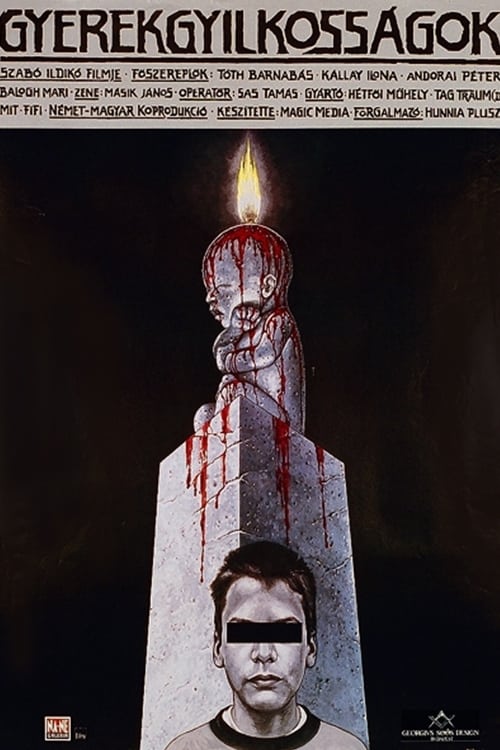
Child Murders
1993
No user ratings available yet
Representation score: 7.1 out of 10
Representation Score
Limited
1997
Director
János Szász
Runtime
93 minutes
Average Rating
No ratings yetNew Showbiz Analysis
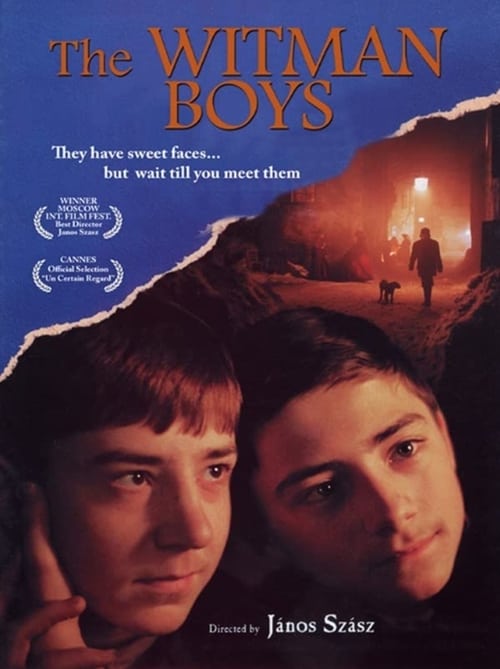
The Witman Boys is a dark, nihilistic exploration of psychological collapse set in a specific historical context. It prioritizes thematic realism over demographic variety. While the film lacks representation for LGBTQ+ identities and diverse racial groups, it achieves depth through its critique of traditional institutions. It avoids conventional redemptive arcs, focusing instead on the senselessness of human impulses. Ultimately, the film's narrow demographic scope is a result of its commitment to a specific historical moment and a grim, psychological focus.
Category Breakdown
The film does not include any characters with LGBTQ+ identities or non-conforming genders. The story focuses solely on the male characters and their interactions.
The story emphasizes masculine aggression and male violence. Female characters, such as the mother, are portrayed through a lens of dysfunction rather than empowerment.
Set in mid-1940s rural Hungary, the cast reflects the homogeneous ethnic makeup of the time. The film prioritizes historical realism over contemporary demographic diversity.
The film critiques traditional institutions by showing families and communities as indifferent or failing. It replaces moral guidance with a sense of profound nihilism.
Psychological instability and psychosis drive the plot's violent trajectory. These conditions are treated as tragic catalysts rather than nuanced explorations of neurodivergence.
Present on Screen
Limited or Absent
Official Synopsis
Turn-of-the-century Hungary. Two young brothers, neglected by their cold and uncaring mother, descend deeper and deeper into psychosis, with tragic consequences.
1993
1999
2007
1967
2003
2020

1996
1998
No reviews yet. Be the first to share your thoughts on this movie!
Use the rating form above to leave a star rating and optional review.