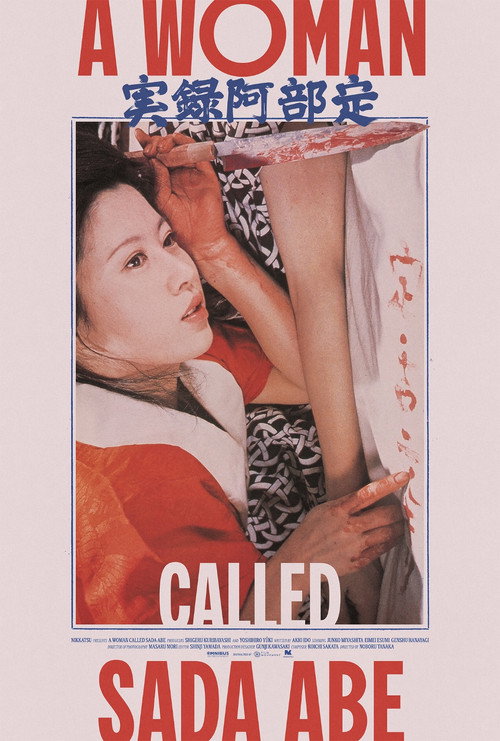
A Woman Called Sada Abe
1975
No user ratings available yet
Representation score: 7.4 out of 10

Representation Score
Limited
1983
Director
Tatsumi Kumashiro
Runtime
137 minutes
Average Rating
No ratings yetNew Showbiz Analysis
Modori River presents a grounded, often bleak view of artistic obsession and class struggle in the Taisho era. The film features a strong ensemble of women who actively participate in the story, yet the narrative ultimately orbits the male protagonist. This structural choice limits the exploration of the women’s individual lives outside the poet’s orbit. The representation of disability is realistic, showing the physical toll of tuberculosis without melodrama. The film avoids romanticizing the male protagonist’s self-destructive behavior, instead highlighting how his lifestyle burdens those around him. Class dynamics are clearly shown through the red-light district setting, adding texture to the domestic and social conflicts. While the cast is entirely Japanese, reflecting the historical context, the story remains focused on internal class dynamics. The lack of LGBTQ+ representation is consistent with the period and the specific focus on the poet’s heterosexual relationships. The overall diversity score reflects the limited scope of representation, despite the strong female ensemble.
Category Breakdown
The film contains no same-sex romance or LGBTQ+ characters. The narrative focuses exclusively on the male poet’s romantic and sexual relationships with several women.
Women drive the emotional core, yet the male poet remains the central figure. Characters like Mine and Kotoe are depicted as devoted, often sacrificing their stability for his artistic ambitions.
The cast consists entirely of Japanese actors, reflecting the Taisho-era setting. No non-Japanese characters appear, and the story remains focused on domestic and class dynamics within Japan.
The film critiques the romanticized poet archetype, showing how his lifestyle burdens the women around him. It portrays poverty and artistic obsession as destructive forces rather than noble pursuits.
The poet suffers from tuberculosis, depicted through coughing blood and physical decline. His illness is a central plot point that drives the women’s care and his eventual demise.
Present on Screen
Limited or Absent
Official Synopsis
The story of Takeha, a free-spirited genius poet who lived through Taisho Romanticism, and the women who gave themselves over to his ambitions.
1975
1951
2007

1991
1983

1991
1991

2005
No reviews yet. Be the first to share your thoughts on this movie!
Use the rating form above to leave a star rating and optional review.