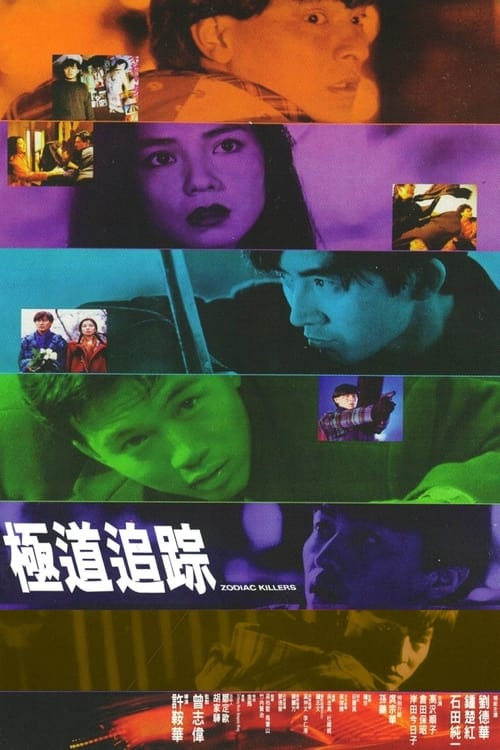
Zodiac Killers
1991
No user ratings available yet
Representation score: 4.7 out of 10
Representation Score
Limited
1983
Director
Tōru Kawashima
Runtime
92 minutes
Average Rating
No ratings yetNew Showbiz Analysis
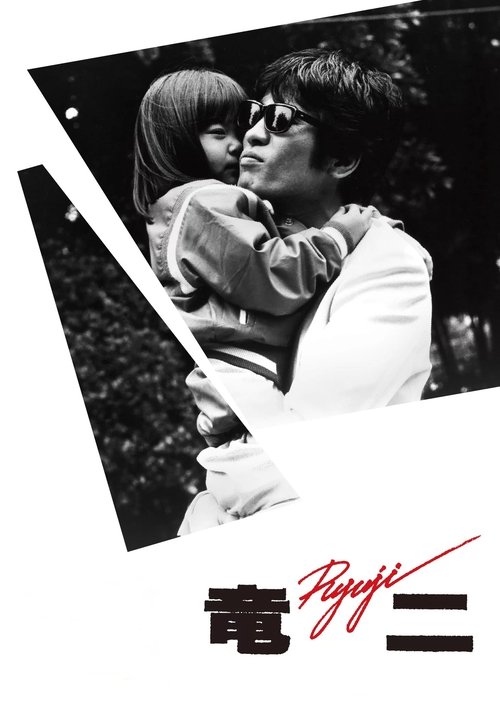
Ryuji is a character study rooted in traditional social structures. The film prioritizes the internal conflict of a man attempting to navigate established societal roles and the friction between organized crime and domestic stability. While the film provides a deep dive into Japanese subcultures, it lacks multi-layered complexity. The narrative relies on a patriarchal framework where the central drama is driven by the male protagonist's decisions and his role as a provider. Ultimately, the work functions within a conventional moral landscape, focusing on the struggle of individual ability to act within a rigid system without seeking to subvert social hierarchies or introduce diverse identities.
Category Breakdown
The film follows a traditional nuclear family structure without any visible LGBTQ narratives or non-cisgender identities.
The story centers on a male protagonist's struggle to provide for his family. Female characters primarily serve as emotional motivators rather than independent agents of change.
This Japanese production offers a localized look at domestic social strata and yakuza subculture. It lacks multi-ethnic casting but provides a culturally specific exploration of identity.
The film explores the tension between criminal lifestyles and traditional family duties. It focuses on moral struggles regarding social reintegration rather than broader institutional issues.
There is no evidence of characters navigating physical, neurodivergent, or mental health disabilities within the story.
Present on Screen
Limited or Absent
Official Synopsis
Ryuji tries quitting the yakuza to actively support his wife and daughter; as he's used to easy money, it's a difficult transition.
1991

1964

1994

1997

1983

1974

1985

2018
No reviews yet. Be the first to share your thoughts on this movie!
Use the rating form above to leave a star rating and optional review.