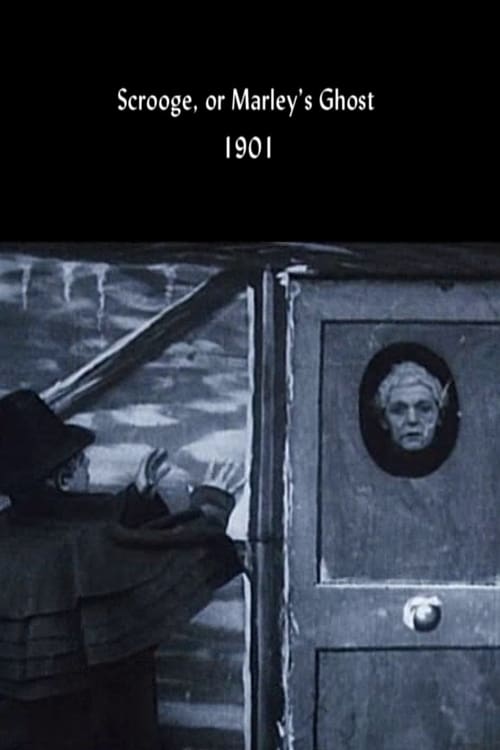
Scrooge; or Marley's Ghost
1901
No user ratings available yet
Representation score: 2.4 out of 10
Representation Score
Limited
1913
Director
Leedham Bantock
Runtime
40 minutes
Average Rating
No ratings yetNew Showbiz Analysis
This 1913 adaptation of Dickens' classic is a traditional period piece that reflects the social norms of its time. It reinforces established moral lessons through a conventional lens. The film provides a critical look at unregulated capitalism and the impact of wealth inequality. By contrasting Scrooge's selfishness with the Cratchit family's kindness, it challenges the idea of a harmonious social order. However, the film does not engage with contemporary ideas of identity overlap. It stays true to its historical context without challenging it.
Category Breakdown
The film follows the social structures of the Victorian era, which assume everyone is straight and cisgender. There is no indication of diverse gender identities or same-sex relationships.
Female characters such as Belle or Mrs. Cratchit are mainly confined to domestic roles. The story emphasizes the moral growth of the male protagonist rather than challenging traditional male leadership.
The casting reflects the homogeneous demographics of early 20th-century British cinema. There is no evidence of actors from diverse racial backgrounds being cast.
The story critiques unregulated capitalism and wealth accumulation within a traditional Christian framework. It highlights the moral failings of greed and the importance of compassion.
Tiny Tim represents the physical struggles faced by the poor. He primarily serves as a catalyst for Scrooge's moral transformation rather than having his own independent role.
Present on Screen
Limited or Absent
Official Synopsis
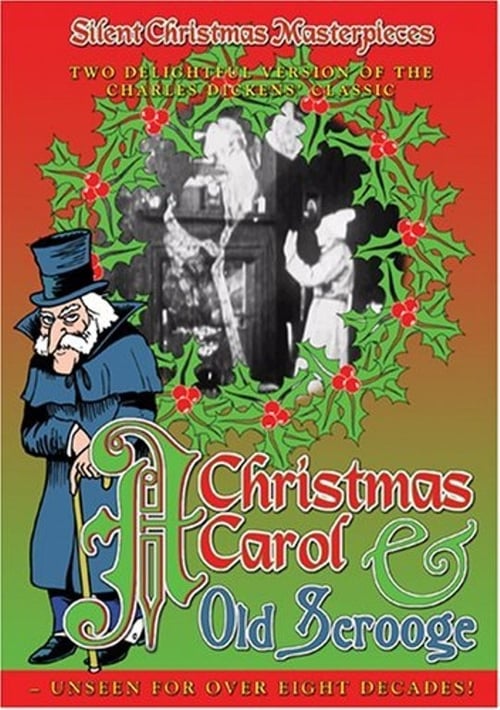
A 1913 British black and white silent film based on the 1843 novel A Christmas Carol by Charles Dickens. It starred Seymour Hicks as Ebenezer Scrooge. In the United States it was released in 1926 as Old Scrooge.
1901
1938

1935
1921

2012
1951
1905
1970
No reviews yet. Be the first to share your thoughts on this movie!
Use the rating form above to leave a star rating and optional review.