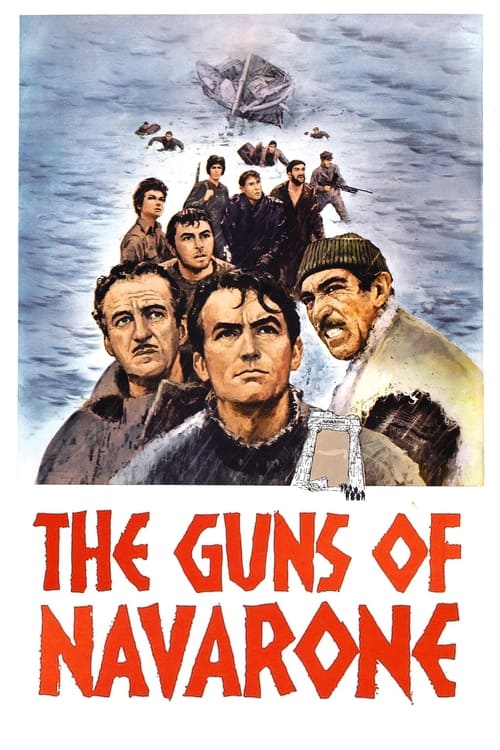
The Guns of Navarone
1961
No user ratings available yet
Representation score: 0.8 out of 10
Representation Score
Minimal
1978
PGDirector
Guy Hamilton
Runtime
114 minutes
Average Rating
No ratings yetNew Showbiz Analysis
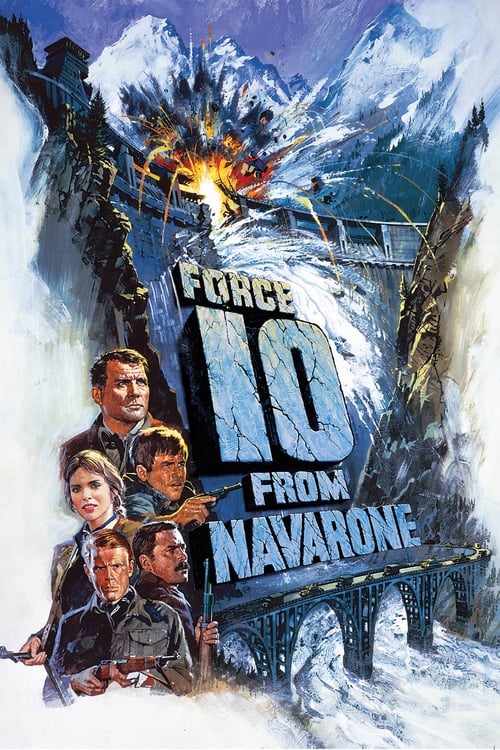
Force 10 from Navarone is a classic mid-century adventure film that upholds traditional social and military hierarchies. The narrative emphasizes technical competence and traditional wartime heroism without questioning established norms. The film lacks complexity in representing diverse identities, relying instead on the conventions of 1970s Western action cinema. It presents a narrow view of ability to act and identity, focusing on a limited demographic. Overall, the film supports the geopolitical order of its time, presenting a traditionalist view of duty and institutional authority.
Category Breakdown
The film focuses on male military camaraderie without any LGBTQ themes or non-binary identities.
The story centers on masculine military roles and leadership, with female characters playing minor roles in an otherwise male-dominated plot.
The cast is mostly white and Anglo-Saxon, with characters of color having limited depth or influence in the story.
The film follows traditional Western wartime narratives, emphasizing institutional hierarchy and sanctioned military authority.
There are no prominent portrayals of physical or neurodivergent disabilities among the characters.
Present on Screen
Limited or Absent
Official Synopsis
World War II, 1943. Mallory and Miller, the heroes who destroyed the guns of Navarone, are sent to Yugoslavia in search of a ghost from the past.
1961
1976
1968
1969
2003
1943
2001
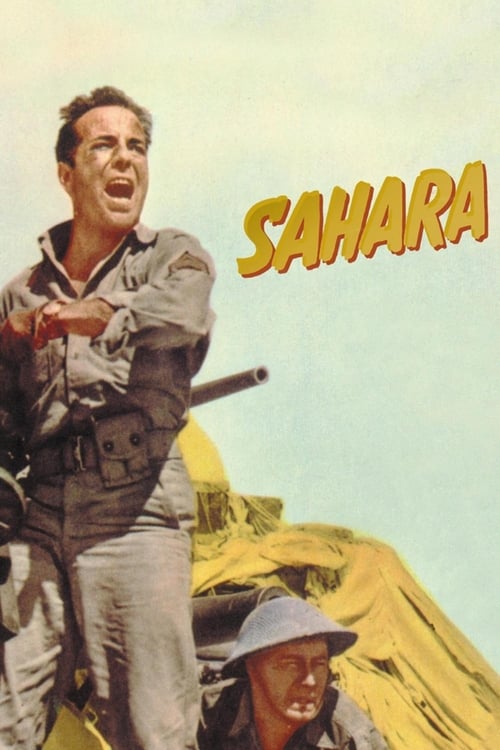
1943
No reviews yet. Be the first to share your thoughts on this movie!
Use the rating form above to leave a star rating and optional review.