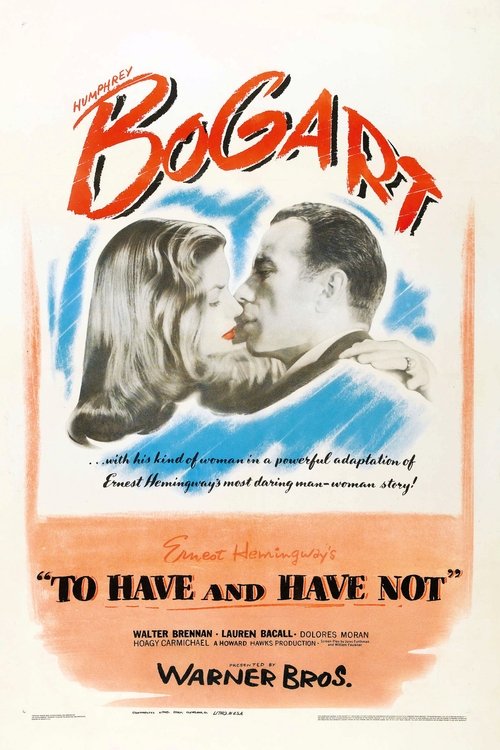
To Have and Have Not
1945
No user ratings available yet
Representation score: 3.9 out of 10
Representation Score
Fair
1943
GDirector
Sam Wood
Runtime
170 minutes
Average Rating
No ratings yetNew Showbiz Analysis
For Whom the Bell Tolls stands out for its ideological complexity and its engagement with the systemic collapse of social institutions. By focusing on the conflicts between various political factions in Spain, the film moves beyond simple wartime escapism to offer a nuanced view of conflict. However, the film remains anchored in the social hierarchies of the 1940s. Gender roles and romantic structures adhere to conventional patterns of the time, and the portrayal of trauma primarily serves as a narrative tool for character motivation rather than deep exploration. Ultimately, the film is a transitional work. It balances traditional Hollywood archetypes with a progressive interest in moral ambiguity and the struggles of underrepresented communities against fascist structures.
Category Breakdown
The film does not include any LGBTQ+ characters or non-straight relationships. The romantic storyline focuses solely on a traditional heterosexual relationship between Robert Jordan and Maria.
Maria is a central character, but her role is largely shaped by her experiences during wartime. Masculinity is portrayed through traditional heroism and the archetype of the man of action.
The Spanish setting and the inclusion of guerrilla fighters add ethnic variety. Although lead roles are predominantly Anglo-American, the depiction of the Republican peasantry adds diversity.
The film examines the breakdown of religion and social order during the Spanish Civil War. It delves into ideological tensions among Communists, Anarchists, and Nationalists.
War-induced physical and psychological trauma is evident, especially through Maria. However, these elements serve the romantic plot rather than exploring disability as an independent experience.
Present on Screen
Limited or Absent
Official Synopsis
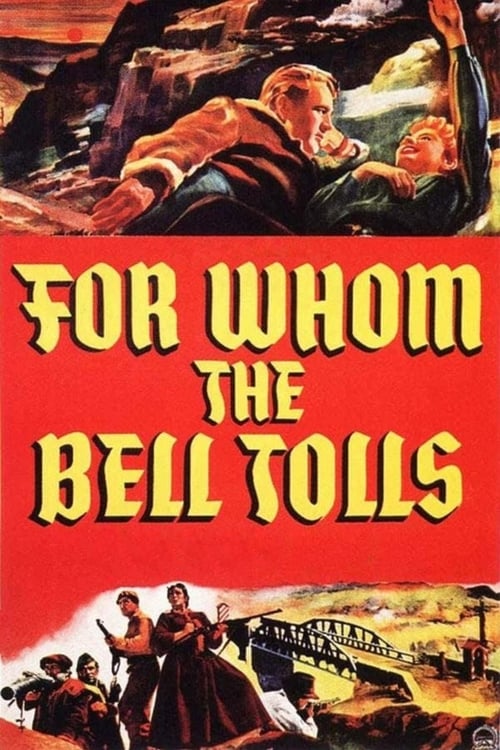
Spain in the 1930s is the place to be for a man of action like Robert Jordan. There is a civil war going on and Jordan—who has joined up on the side that appeals most to idealists of that era—has been given a high-risk assignment up in the mountains. He awaits the right time to blow up a crucial bridge in order to halt the enemy's progress.
1945
1955
2003
1978
2016

1943

1996

1932
No reviews yet. Be the first to share your thoughts on this movie!
Use the rating form above to leave a star rating and optional review.