Chronicle of Anna Magdalena Bach
1968
No user ratings available yet
Representation score: 1.9 out of 10
Representation Score
Limited
1978
Director
Jean-Pierre Ponnelle
Runtime
60 minutes
Average Rating
No ratings yetNew Showbiz Analysis
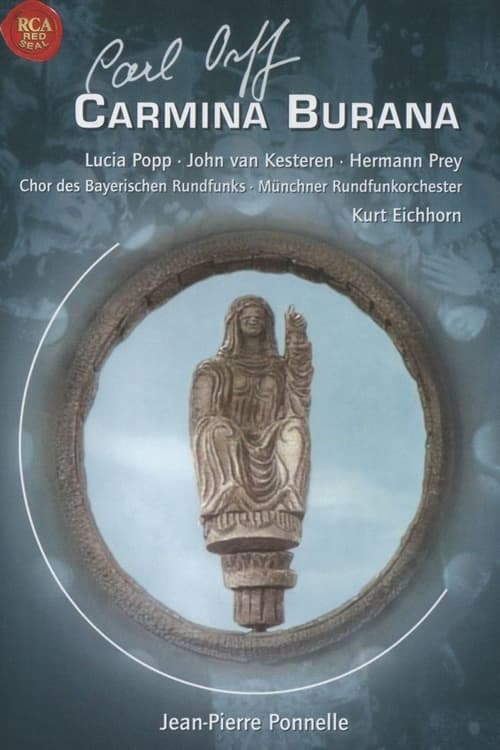
Jean-Pierre Ponnelle’s 1978 production of *Carmina Burana* is a stylized, abstract exploration of human impulses. It challenges rigid religious morality by celebrating the randomness of fate and the chaos of human instincts, fostering a worldview centered on secular humanism. However, the production adheres closely to classical European theatrical traditions, limiting racial and gender diversity. The focus is on aesthetic and philosophical themes rather than contemporary social identity issues. Ultimately, the work celebrates the unpredictable nature of existence while disrupting traditional moral orders, though it does not intentionally cast diverse characters or give them substantial ability to act.
Category Breakdown
The production emphasizes carnal desire and lust through musical cantatas rather than character development. It does not depict non-traditional gender identities or same-sex relationships, sticking to traditional operatic roles.
Female characters are primarily associated with themes of lust and seasonal change. Although the work avoids a strict patriarchal structure, it does not challenge traditional gender roles.
Casting adheres to traditional operatic standards, focusing on vocal range and classical aesthetics. The production maintains a uniform visual style typical of mid-century European high-culture performances.
The work promotes moral relativism and secular humanism by emphasizing the 'Wheel of Fortune' and human instincts. It highlights carnal indulgence over rigid Western religious or institutional morality.
There are no visible or invisible disabilities portrayed with ability to act. Disability is not used as a narrative device in this production.
Present on Screen
Limited or Absent
Official Synopsis
A very visual and profound dramatization of the various sections of Carmina Burana, a symphonic piece composed by Carl Orff about medieval poetry by an anonymous author.
1968
1979
1955
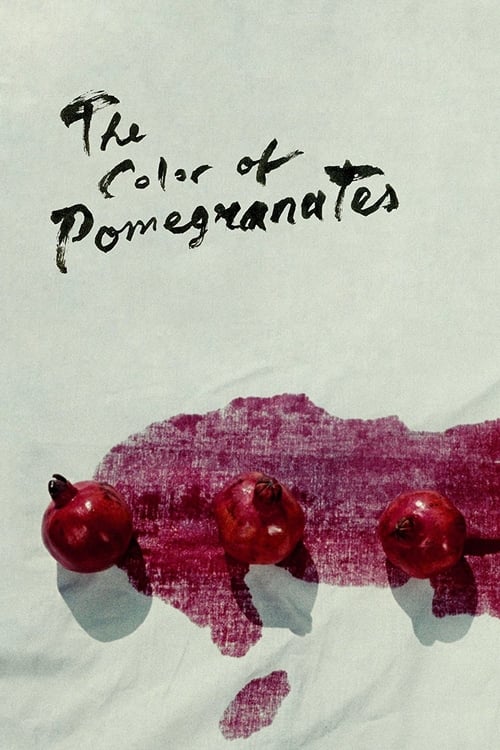
1969
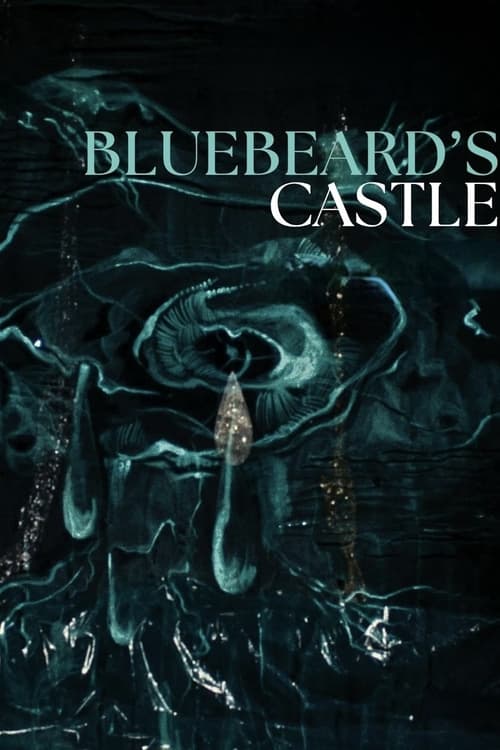
1963
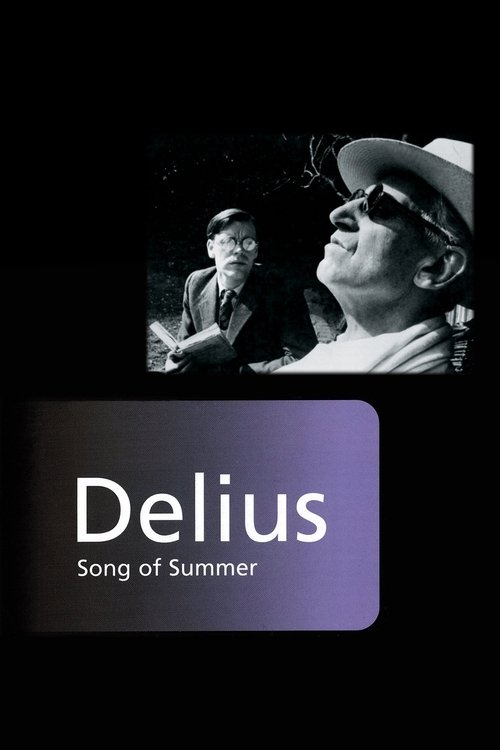
1968
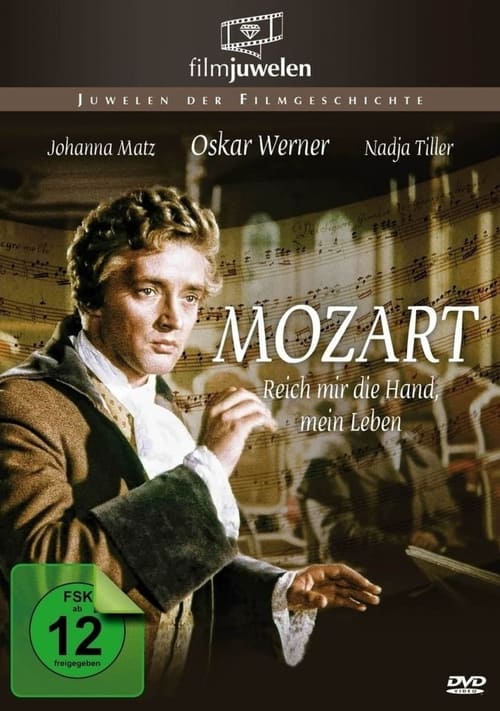
1955
1977
No reviews yet. Be the first to share your thoughts on this movie!
Use the rating form above to leave a star rating and optional review.