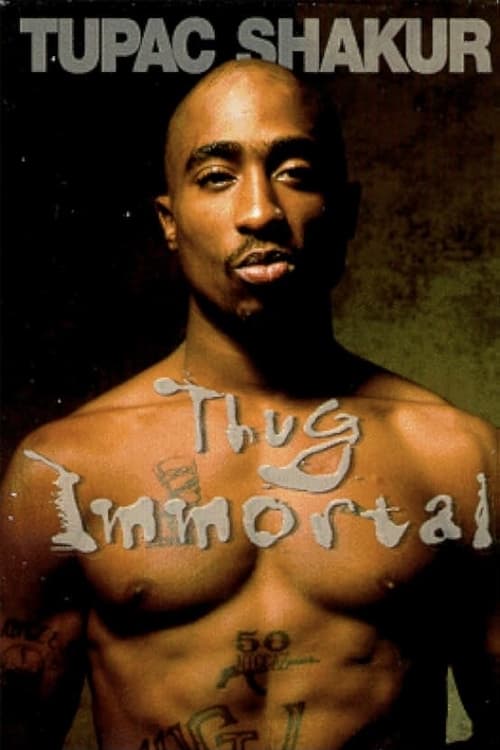
Tupac Shakur: Thug Immortal
1997
No user ratings available yet
Representation score: 5.2 out of 10
No Poster Available
Representation Score
Good
2003
RDirector
Jay Lee Thomas
Runtime
60 minutes
Average Rating
No ratings yetNew Showbiz Analysis
2PAC 4Ever serves as a biographical corrective, aiming to dismantle the monolithic 'thug' archetype imposed on Tupac Shakur by mainstream media. The film succeeds by prioritizing peer testimony and archival footage to present a multifaceted portrait of a cultural icon. Its strength lies in its commitment to racial ability to act and its critique of systemic media biases. By centering the hip-hop community, it validates voices often underrepresented by traditional journalistic standards. However, the film remains narrow in its scope. It does not explicitly address LGBTQ+ or queer narratives, does not center female roles or feminist perspectives, and provides no significant focus on disability representation.
Category Breakdown
The documentary focuses on Tupac Shakur's professional and personal life. It does not include specific depictions of LGBTQ+ narratives or non-traditional gender identities.
The film deconstructs hyper-masculine stereotypes by exploring the man behind the icon. However, it does not explicitly center female roles or feminist perspectives.
The film excels by centering Black cultural history and hip-hop community experiences. It provides a corrective to reductive mainstream media narratives regarding Black identity.
The narrative critiques how Western media shapes racial perceptions. It prioritizes cultural impact and personal truth over traditional institutional or legal frameworks.
There is no significant evidence regarding the portrayal of physical or neurodivergent disabilities in this work.
Present on Screen
Limited or Absent
Official Synopsis
Heartfelt interviews from his peers, behind the scenes footage, and concert clips show the side of Tupac that was far beyond the "thug" of the evening newscasts, the man who has become a cultural icon.
1997
2003
2001
2018

2017
2021
2011
2017
No reviews yet. Be the first to share your thoughts on this movie!
Use the rating form above to leave a star rating and optional review.