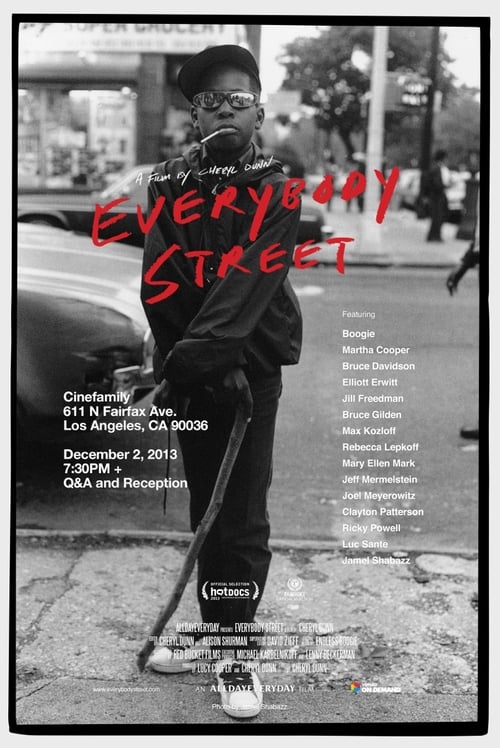
Everybody Street
2013
No user ratings available yet
Representation score: 6.3 out of 10
Representation Score
Good
2013
TV-MADirector
Charlie Ahearn
Runtime
81 minutes
Average Rating
No ratings yetNew Showbiz Analysis
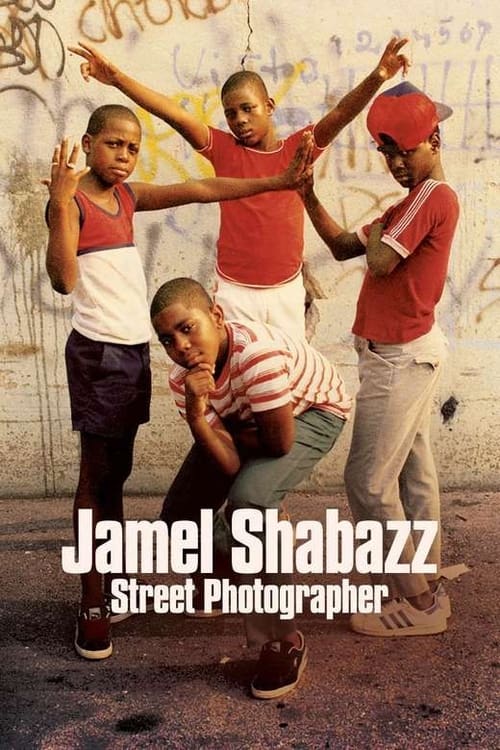
Jamel Shabazz Street Photographer serves as a vital archive of Black identity and urban history. By centering Shabazz’s lens, the film shifts the power of the gaze back to the community, allowing for a sophisticated exploration of self-representation and ability to act. The documentary's strength lies in its ability to document the dignity of a revolutionary cultural movement. It successfully challenges historical omissions in the photographic canon by treating hip-hop aesthetics as high art. However, the film lacks specific focus on LGBTQ+ narratives or disability representation. The narrative remains primarily anchored in the social and aesthetic dynamics of the burgeoning hip-hop scene.
Category Breakdown
The film centers on the social structures of the early hip-hop movement. It does not include explicit narratives about LGBTQ+ subjects or non-conforming gender identities.
The documentary offers a nuanced look at Black masculinity and femininity through street fashion. It avoids clichés, providing a dignified observation of gendered expression.
This work excels by centering the Black experience and prioritizing community control. It disrupts the outsider gaze by documenting Black identity as a primary cultural force.
The film elevates grassroots urban movements to the status of historical significance. It prioritizes the subjective truth of the streets over mainstream media depictions.
There is no significant evidence regarding the portrayal of visible or invisible disabilities within the documentary.
Present on Screen
Limited or Absent
Official Synopsis
Documentary following the career of Brooklyn-born photographer Jamel Shabazz, who captured hip-hop in its infancy long before it became a worldwide phenomenon. His iconic images of kids sporting sneakers and savvy street style caught the essence of hip-hop as it exploded onto the streets of New York. Intimate interviews with Shabazz and hip hop pioneers explore the hundreds of individual stories and urban history behind a revolutionary cultural movement.
2013
2018
2015
1999

2020
2012
2004
2019
No reviews yet. Be the first to share your thoughts on this movie!
Use the rating form above to leave a star rating and optional review.