Iverson
2014
No user ratings available yet
Diversity score: 6.4 out of 10
2010
Director
Reggie Rock Bythewood
Runtime
53 minutes
Average Rating
No ratings yetSynopsis
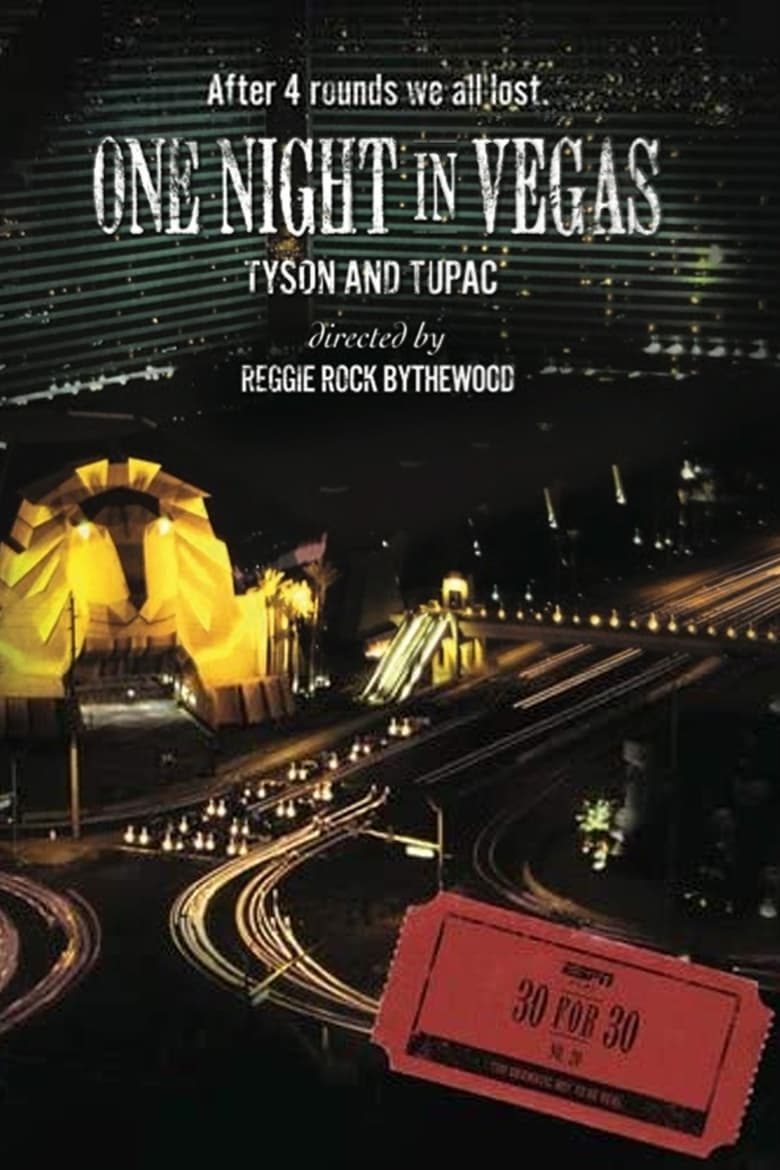
On the evening of Sept. 7, 1996, Mike Tyson, the WBC heavyweight champion, attempted to take Bruce Seldon’s WBA title at the MGM Grand in Las Vegas. At this point in his career, Tyson’s fights had become somewhat of a cultural phenomenon, where the ever present hype of the professional boxing scene would come face to face with the worlds of big business, Hollywood, and hip hop. Sitting ringside was controversial rapper Tupac Shakur. Shakur and Tyson were friends, a feeling of kinship linked them as each rose to stardom from poverty only to be thrown in prison. Following Tyson’s victory, Shakur and “Iron Mike” were to celebrate at an after party, but the rap star never arrived. Shakur was brutally gunned down later that night, and the scene in Las Vegas quickly turned from would-be celebratory revelry to ill fated and inopportune tragedy.
Overall Score
Fair
Category Breakdown
LGBTQ+ Representation
The film lacks evidence of LGBTQ+ characters or themes. The narrative remains focused on the historical events surrounding boxing and hip-hop culture.
Gender Representation
The documentary centers on male-dominated spheres like professional boxing and hip-hop. It explores masculine archetypes of strength and celebrity without subverting traditional gender hierarchies.
Racial & Ethnic Diversity
The film provides high racial agency by centering Black icons like Tyson and Shakur. It examines their shared socio-economic backgrounds and the complexities of Black celebrity.
Religious & Cultural Diversity
The narrative highlights the friction between hip-hop culture and established Western institutions. It prioritizes identity-driven experiences over traditional stories of institutional success.
Disability Representation
There is no evidence regarding the portrayal of physical or neurodivergent disabilities within this documentary.
Strengths
Areas for Improvement
AI Analysis
One Night in Vegas is a specialized documentary that finds its strength in centering Black cultural figures. By focusing on the intersection of Mike Tyson and Tupac Shakur, the film provides a platform for exploring Black excellence and the systemic pressures of sudden stardom. However, the film's narrow historical focus limits its breadth. The narrative is heavily centered on masculine power dynamics and male-dominated industries, leaving little room for gender or LGBTQ+ diversity. Ultimately, the work excels at providing depth to characters of color navigating high-stakes social contexts, even if it lacks a wide spectrum of identity representation.
2014
1997
2005
2017
2020
2010
2001
2003
2010

1970
2020
2018
No reviews yet. Be the first to share your thoughts on this movie!
Use the rating form above to leave a star rating and optional review.