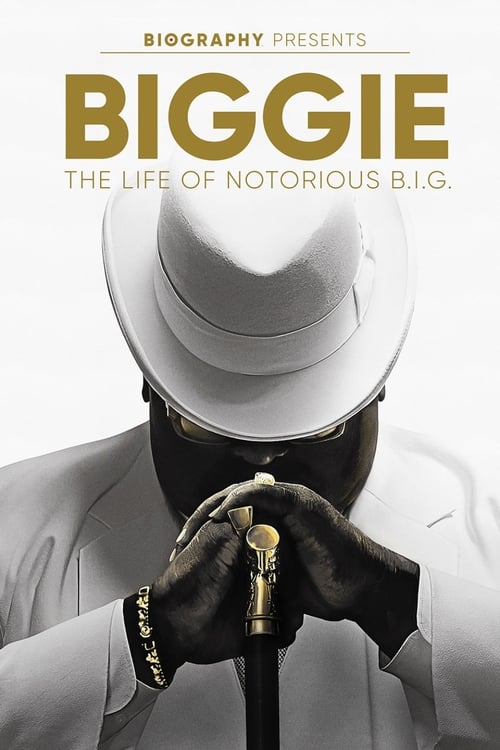
Biggie: The Life of Notorious B.I.G.
2017
No user ratings available yet
Diversity score: 5.9 out of 10
2017
Director
Karam Gill
Runtime
84 minutes
Average Rating
No ratings yetSynopsis
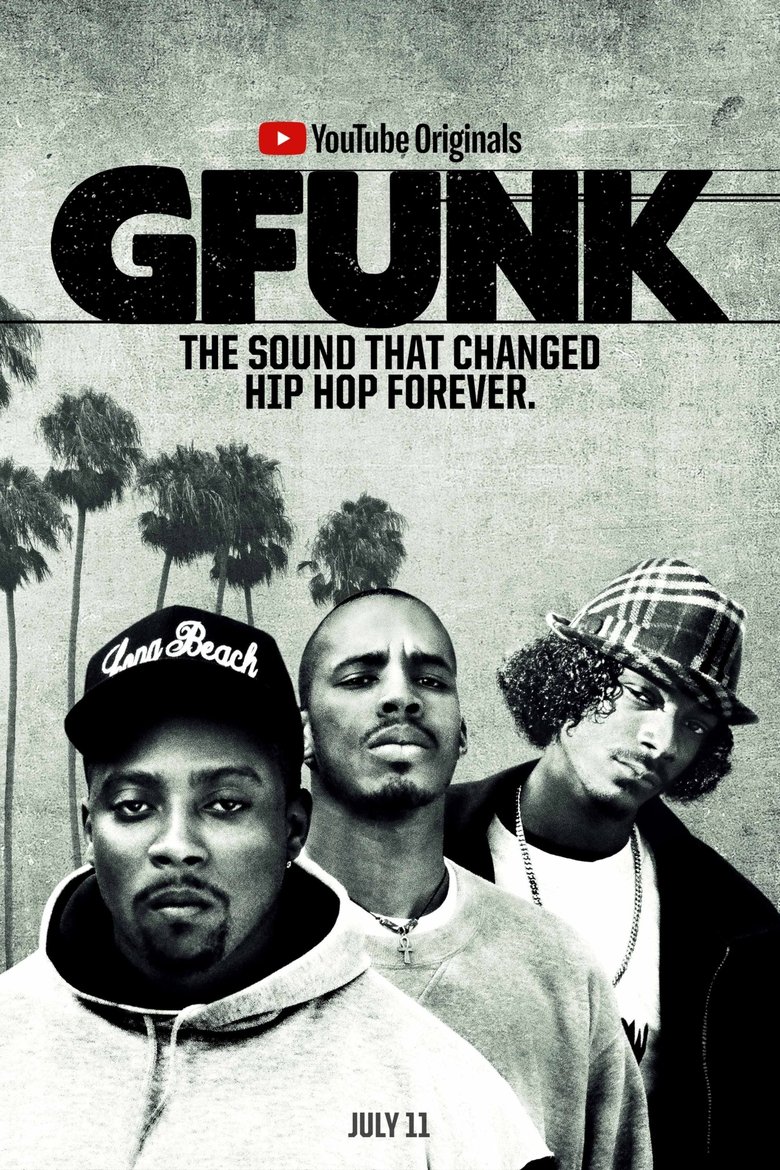
G-Funk is the untold story of three childhood friends from East Long Beach who helped commercialize hip hop by developing a sophisticated and melodic new approach – merging Gangsta Rap with elements of Motown, Funk, and R&B.
Overall Score
Good
Category Breakdown
LGBTQ+ Representation
The documentary focuses on the architects of a specific hip-hop era. There is no explicit evidence of queer or non-cisnormative narratives being included in this historical retrospective.
Gender Representation
The film likely reflects the male-dominated creative hierarchies of the 1990s hip-hop industry. It lacks specific evidence of female producers or artists being centered in the narrative.
Racial & Ethnic Diversity
The film centers Black artists and the cultural nuances of East Long Beach. It elevates the agency of people of color by documenting their role in reshaping global pop culture.
Religious & Cultural Diversity
The narrative explores the intersection of street culture and commercial capitalism. It provides a look at how specific socio-economic environments influence artistic output and musical innovation.
Disability Representation
There is no information regarding the depiction of physical or neurodivergent identities within the film's subject matter.
Strengths
Areas for Improvement
AI Analysis
G-Funk serves as a vital piece of cultural documentation that challenges the homogeneity of mainstream music history. By focusing on the sonic evolution of West Coast hip hop, it centers racial and ethnic identity as the primary driver of musical innovation. However, the film appears to mirror the traditional demographic patterns of the era it covers. The narrative likely follows the male-dominated structures of the 1990s hip-hop industry, resulting in lower scores for gender and LGBTQ+ visibility. Ultimately, the documentary succeeds in reclaiming cultural agency. It highlights how a specific Black musical tradition achieved global dominance through the synthesis of Funk, R&B, and Rap.
2017
2022
2005
2004
1997
2023
2008
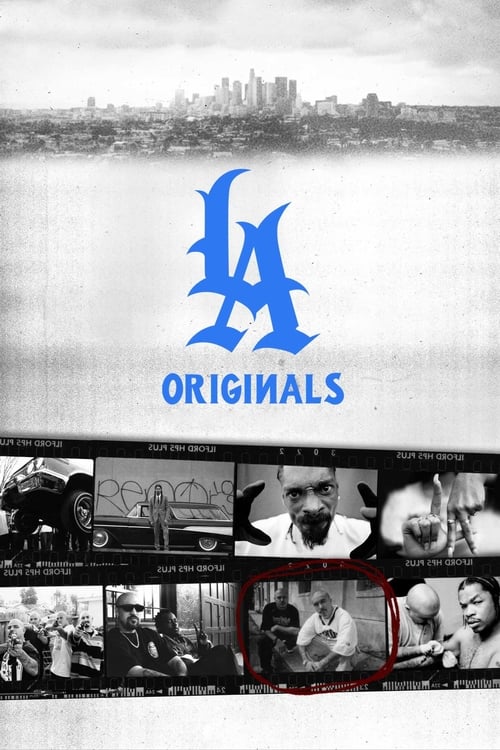
2020
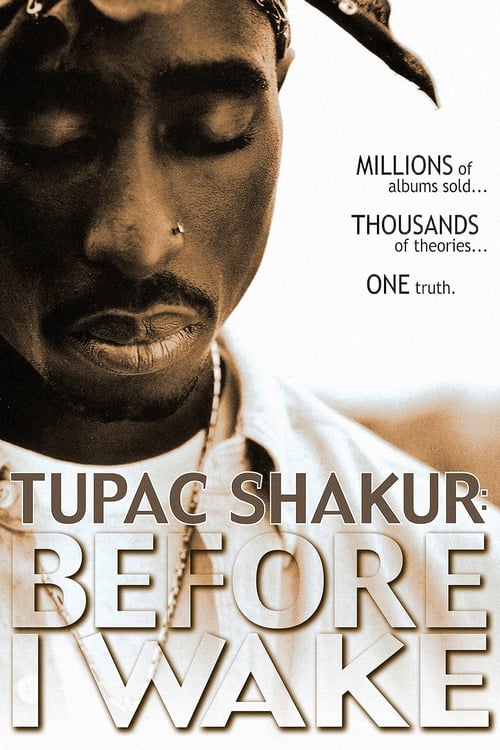
2001
2003
2006
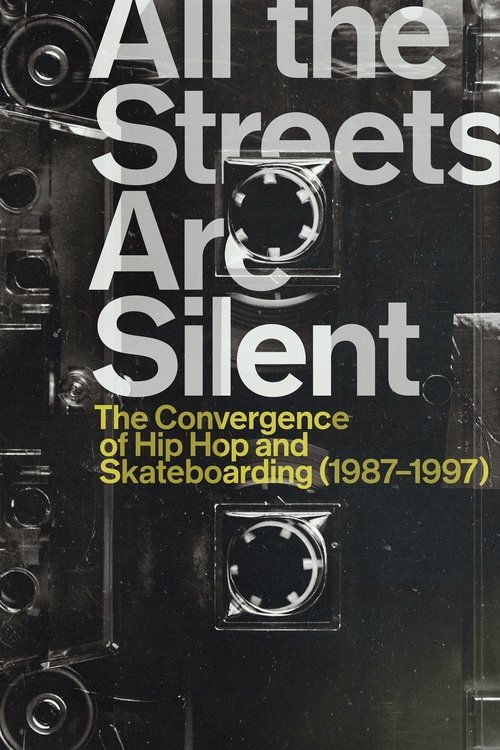
2021
No reviews yet. Be the first to share your thoughts on this movie!
Use the rating form above to leave a star rating and optional review.