Calypso Cat
1962
No user ratings available yet
Diversity score: 1.4 out of 10
1962
Director
Gene Deitch
Runtime
6 minutes
Average Rating
No ratings yetSynopsis
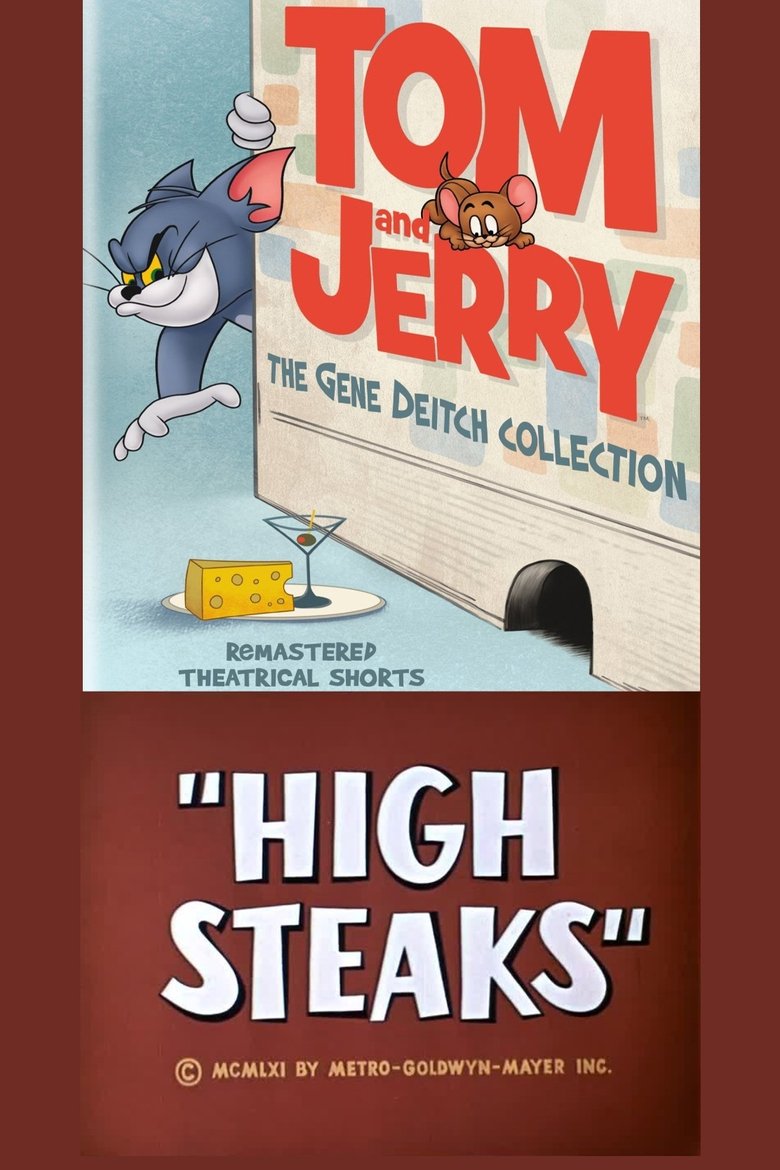
Tom's owner, Clint Clobber, is grilling steaks in his backyard. The steak's scent reaches Jerry, who is aroused by it and is led to the steak.
Overall Score
Limited
Category Breakdown
LGBTQ+ Representation
The short lacks explicit depictions of non-heteronormative identities. Jerry's reaction to the steak's scent is a sensory response rather than an indication of romantic or sexual orientation.
Gender Representation
The story centers on a male homeowner, Clint Clobber, performing a traditional patriarchal leisure activity. There are no female characters or subversions of gendered archetypes present.
Racial & Ethnic Diversity
The narrative depicts a homogeneous domestic scene. Without specific visual details, the setting defaults to a traditional, non-specified Western domesticity lacking racial blending.
Religious & Cultural Diversity
The film relies on conventional Western tropes, such as backyard grilling and meat consumption. It does not offer critiques of Western institutions or religious structures.
Disability Representation
There is no evidence regarding the inclusion or portrayal of characters with physical or neurodivergent disabilities.
Strengths
Areas for Improvement
AI Analysis
High Steaks is a brief, character-driven comedic short that follows a classic slapstick framework. The narrative is driven by primal, sensory desires rather than complex social themes, resulting in a very traditional structure. The film functions within the established social and domestic norms of the early 1960s. It lacks the intentionality needed to disrupt hierarchies or provide meaningful intersectional representation, focusing instead on a simple, homogeneous domestic setting. Ultimately, the work serves as a standard example of era-specific animation, prioritizing physical comedy over social diversity or character depth.
1962
1962
1962
1962
1962
1967
1958
1962
1948
1957
1965
1954
No reviews yet. Be the first to share your thoughts on this movie!
Use the rating form above to leave a star rating and optional review.