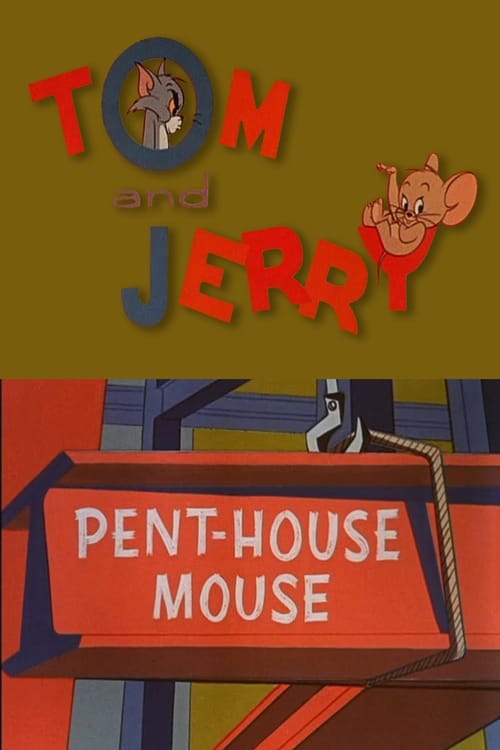
Pent-House Mouse
1963
No user ratings available yet
Representation score: 0.1 out of 10
Representation Score
Minimal
1965
ApprovedDirector
Chuck Jones
Runtime
6 minutes
Average Rating
No ratings yetNew Showbiz Analysis
This Chuck Jones short operates as a closed system of slapstick comedy, emphasizing kinetic energy and classic comedic timing. The narrative structure relies on a repetitive struggle for dominance within a high-rise setting, using environmental elements like plumbing as tools for physical interaction. Since the protagonists are non-human animals, the film operates outside human sociological frameworks. It avoids engagement with diverse cultural or social identities, adhering to established comedic paradigms of the mid-1960s. The work centers on universal slapstick clichés and the physical interaction between the characters. Consequently, it lacks the complexity needed to address diverse cultural or social identities.
Category Breakdown
The film focuses solely on a binary relationship between two animal characters, ignoring any exploration of non-traditional gender identities or orientations.
The conflict revolves around physical dominance and territory rather than challenging gender roles. There is no significant focus on gender-based ability to act or the deconstruction of gender clichés.
The story takes place in a localized urban environment featuring non-human protagonists. The narrative does not engage with racial, ethnic, or cultural identity.
The film depicts a structured, capitalist urban environment focused on individualistic pursuits. It lacks a systemic critique or religious subversion, reflecting traditional Western notions of competition.
Physical transformations and stretching are used for comedic effect, serving slapstick purposes rather than representing lived experiences of disability or neurodivergence.
Present on Screen
Limited or Absent
Official Synopsis
Tom chases Jerry around a high-rise apartment, and then around the ledge surrounding the building. They torment each other with a compressed air horn. Jerry goes down a drainpipe and Tom follows, stretching himself the length of the pipe (and getting unstuck with help from the air horn).
1963
1965
1965
1965
1967
1967
1947
1950
No reviews yet. Be the first to share your thoughts on this movie!
Use the rating form above to leave a star rating and optional review.