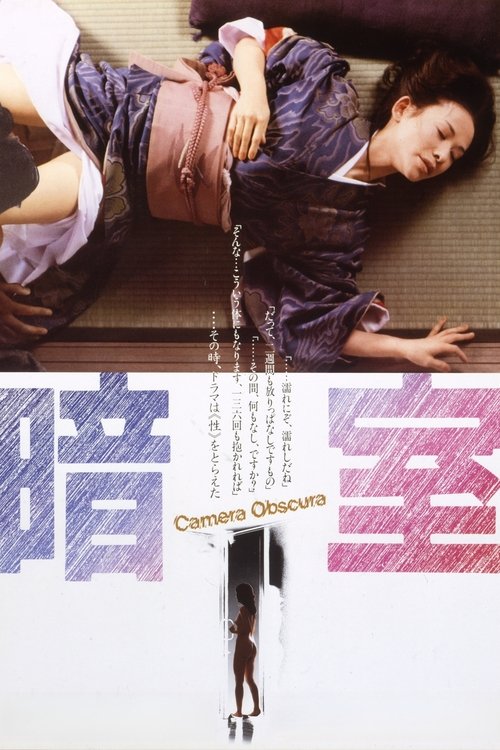
Dark Room
1983
No user ratings available yet
Representation score: 5.0 out of 10
Representation Score
Limited
2009
Director
Kichitaro Negishi
Runtime
114 minutes
Average Rating
No ratings yetNew Showbiz Analysis
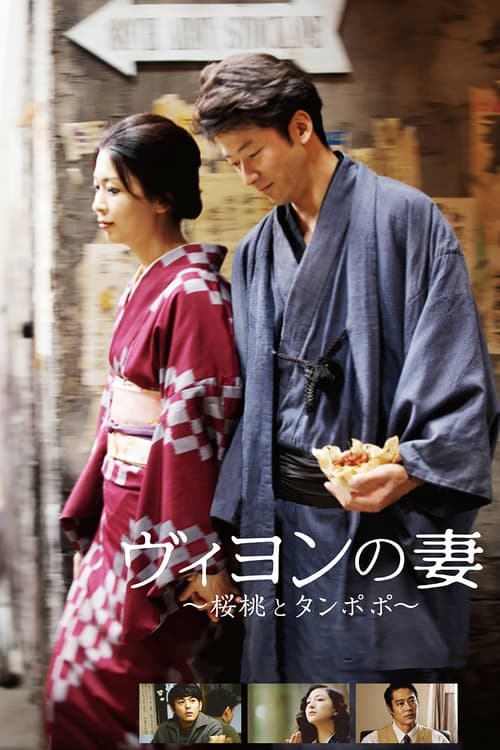
Villon's Wife stands out as a character-driven narrative that challenges the traditional 'muse' archetype by focusing on the wife's resilience. However, the film's narrow demographic focus limits its diversity, lacking representations of LGBTQ+ identities or multi-ethnic perspectives. Its strength lies in its exploration of historical and psychological depth, using a specific cultural moment to examine the impact of external factors on individual and national identity.
Category Breakdown
The film centers on a heterosexual relationship and does not include any LGBTQ+ identities or non-assuming gender matches what was assigned at birth gender expressions.
The story emphasizes the wife's resilience and active role in overcoming adversity, rather than portraying her as a passive figure.
The cast is ethnically uniform, set in postwar Tokyo, and explores the impact of Western literature on Japanese identity during the occupation.
The film examines the tension between individual ideals and the harsh realities of postwar socioeconomic instability, critiquing traditional institutions.
There is no depiction of physical, sensory, or neurodivergent disabilities among the main characters or supporting cast.
Present on Screen
Limited or Absent
Official Synopsis
This enticing period melodrama depicts a long-suffering woman's relationship with her brilliant but self-destructive writer husband in postwar Tokyo. Based on a semi-autobiographical 1947 novel by Osamu Dazai, the story centers less on the womanizing, heavy-drinking, suicidal hero than on the wife who loves him. Written by Palm Springs International Film Festival
1983
1951
1969
1955
1967

1996

2010
1995
No reviews yet. Be the first to share your thoughts on this movie!
Use the rating form above to leave a star rating and optional review.