
Eagle's Claws
1977
No user ratings available yet
Representation score: 3.2 out of 10
Representation Score
Limited
1973
RDirector
Dao Yang
Runtime
83 minutes
Average Rating
No ratings yetNew Showbiz Analysis
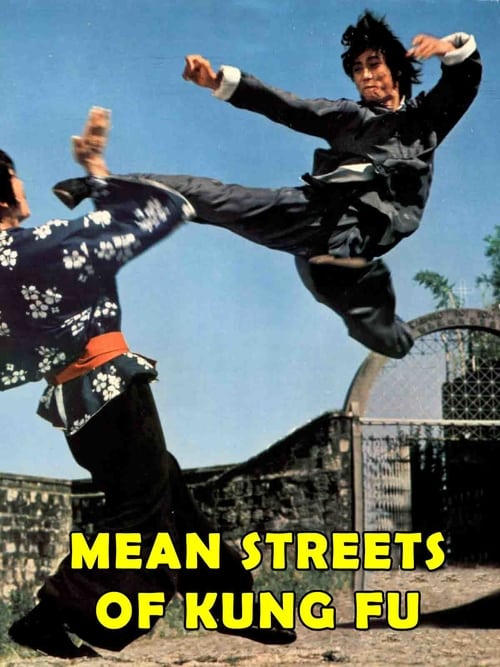
Mean Streets of Kung-Fu is a quintessential 1970s Hong Kong martial arts drama. It provides meaningful representation of East Asian identities and non-Western cinematic traditions, grounding the action in a specific cultural context. However, the film relies heavily on period-specific clichés. The narrative structure reinforces traditional masculine leadership and gender hierarchies, often positioning women as victims rather than active agents. While culturally grounded, the film lacks depth in addressing multiple aspects of identity and does not challenge common ethnic and social stereotypes.
Category Breakdown
The film does not include any LGBTQ+ characters or narratives. It follows a traditional structure focused on a male protagonist and his relationship with a female classmate.
Gender roles adhere to conventional hierarchies. The female character is portrayed as needing protection and intervention, while the male protagonist is shown as the competent protector.
The cast is predominantly East Asian, providing meaningful representation of East Asian identities. However, the film does not challenge ethnic stereotypes.
The story emphasizes traditional moral frameworks and justice through physical retribution. It reinforces concepts of honor and the necessity of a righteous hero.
There is no information regarding the depiction of physical or neurodivergent disabilities in this film.
Present on Screen
Limited or Absent
Official Synopsis
Featuring plenty of high-kicking, fist-flying action, a martial arts classic from the vaults of Hong Kong cinema. Summoning his skills to defeat a troublesome local thug, a martial arts student (Barry Chan) emerges victorious. But when his enemy retaliates by trying to rape a female classmate, it's definitely time for a rematch. Chan Wai Lau and Liu Ping co-star.
1977
1967
1976
1978
1973
1980
1982

1974
No reviews yet. Be the first to share your thoughts on this movie!
Use the rating form above to leave a star rating and optional review.