Playful Pluto
1934
No user ratings available yet
Representation score: 0.3 out of 10
Representation Score
Limited
1931
ApprovedDirector
Burt Gillett
Runtime
7 minutes
Average Rating
No ratings yetNew Showbiz Analysis
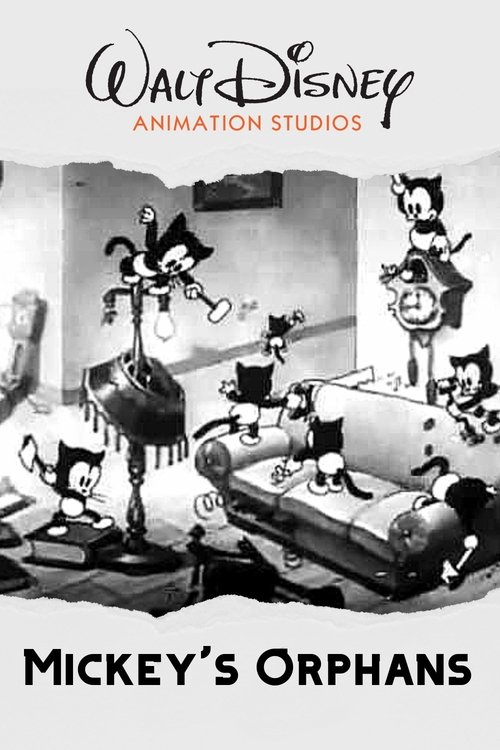
Mickey's Orphans is a product of its time, marked by a lack of diverse representation across gender, race, and sexual orientation. The demographic portrayal remains traditional and aligned with the era's mainstream norms. However, the film stands out by addressing class struggle. By using the economic crisis as a backdrop, the narrative adds a layer of social commentary that challenges typical escapist animation themes. Ultimately, while the character diversity is limited, the film's focus on systemic economic failure offers a moderate degree of social critique.
Category Breakdown
The film does not depict any non-binary gender identities or same-sex relationships. Character interactions revolve around traditional heterosexual relationships.
The story follows conventional gender roles with a strong emphasis on male characters. Female characters are often placed in supporting or domestic roles.
The cast reflects a homogeneous demographic typical of early mainstream animation. It features a predominantly white cast without diverse racial representation.
The film critiques systemic economic structures by focusing on the struggles of the unemployed. It highlights the working class' fight against an indifferent economic system.
The film does not include characters with specific physical or neurodivergent disabilities. It focuses on socioeconomic issues rather than individual disability.
Present on Screen
Limited or Absent
Official Synopsis
At Christmas time, Mickey Mouse, Minnie and Pluto are beset by an enormous litter of bratty orphan cats.
1934
1949
1932
1936
1932
1936

1952
1953
No reviews yet. Be the first to share your thoughts on this movie!
Use the rating form above to leave a star rating and optional review.