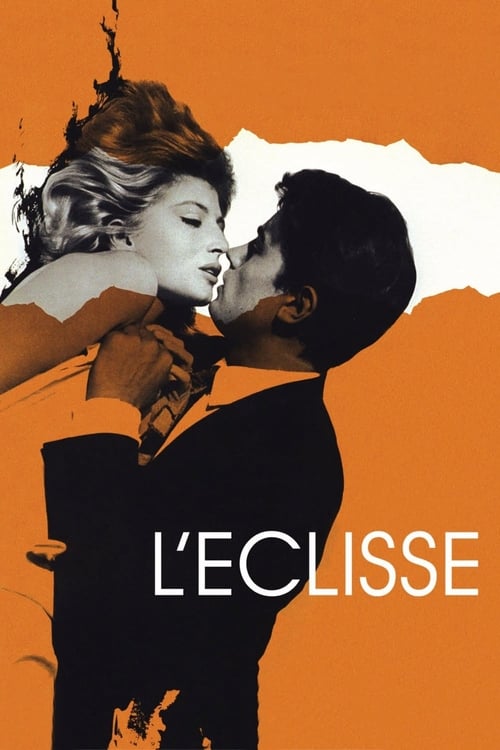
L'Eclisse
1962
No user ratings available yet
Representation score: 3.0 out of 10
Representation Score
Fair
1982
NRDirector
Michelangelo Antonioni
Runtime
128 minutes
Average Rating
No ratings yetNew Showbiz Analysis
Michelangelo Antonioni’s work emphasizes psychological fragmentation and existential isolation over social inclusiveness. The film deconstructs traditional storytelling, focusing on postmodern themes rather than demographic diversity. While the film lacks representation for LGBTQ+ identities, disabilities, or diverse racial backgrounds, it successfully challenges traditional gender archetypes. The male lead is portrayed as emotionally unstable rather than traditionally competent. Ultimately, the film examines the unreachable subject. It trades conventional social representation for a critique of the spiritual void found within modern Western urban structures.
Category Breakdown
The film focuses almost exclusively on heterosexual relationships and assumes everyone is cisgender. There are no non-binary identities or stories that question traditional romance.
The film challenges the typical strong male character by showing a fragmented and unstable main character. Female characters often serve as subjects of study, limiting their role in driving the story.
Set in Milan, the film reflects a mostly white European environment. It lacks significant racial or ethnic diversity among its main characters.
The film explores postmodern ideas by presenting truth as subjective and unattainable. It portrays the modern industrial city as a place of deep spiritual emptiness.
The film does not significantly represent physical or neurodivergent disabilities. It explores psychological states through existential lenses rather than through the lens of disability.
Present on Screen
Limited or Absent
Official Synopsis
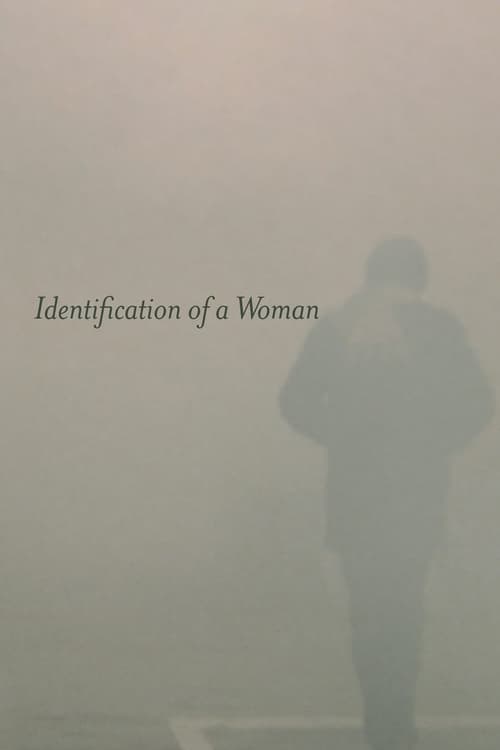
Movie director Niccolò has just been left by his wife. Subsequently he embarks on an obsessive relationship with a young woman who eventually leaves him and disappears while searching for her, he meets a variety of other willing girls. This gives him the idea of making a movie about women's relationships. He starts to search for a woman who can play the leading part in the movie.
1962
1964
1961
1955
1955
1971
1972
2009
No reviews yet. Be the first to share your thoughts on this movie!
Use the rating form above to leave a star rating and optional review.