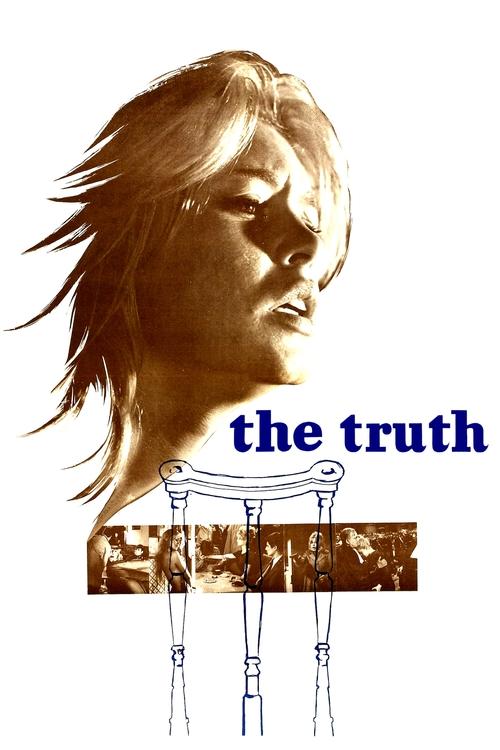
The Truth
1960
No user ratings available yet
Diversity score: 4.7 out of 10
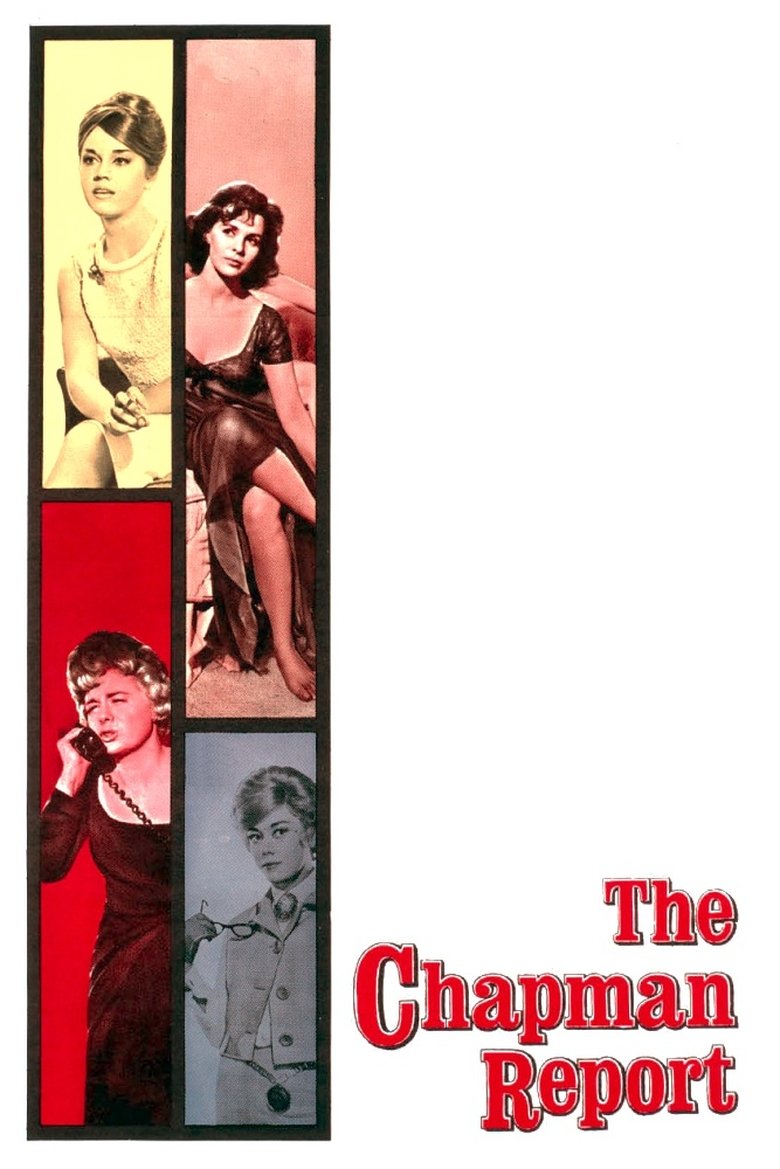
1962
NRDirector
George Cukor
Runtime
125 minutes
Average Rating
No ratings yetSynopsis
A research psychologist gets involved in the personal lives of four women.
Overall Score
Fair
Category Breakdown
LGBTQ+ Representation
The film operates within strict heteronormative structures typical of the early 1960s. It lacks characters identifying as LGBTQ+ or narratives centered on non-cisnormative identities.
Gender Representation
The narrative centers the female experience and challenges traditional gender hierarchies. It uses a sociological lens to examine female sexual agency and critiques the double standards applied to women.
Racial & Ethnic Diversity
The cast is predominantly white, reflecting the demographic homogeneity of its 1962 setting. The film does not engage with racial or ethnic diversity.
Religious & Cultural Diversity
The film critiques Western social hypocrisy by juxtaposing polite standards against private realities. It frames traditional institutions as sources of psychological repression.
Disability Representation
There is no evidence of characters with visible or invisible disabilities serving as central plot devices or being portrayed with specific agency.
Strengths
Areas for Improvement
AI Analysis
George Cukor’s film serves as a transitional social critique that prioritizes the psychological and sexual autonomy of women. By focusing on female agency, it disrupts the era's domestic tropes and highlights the hypocrisy of mid-century social mores. However, the film lacks intersectional breadth. It remains confined to a white, upper-middle-class demographic and adheres to the heteronormative constraints of its time, offering little representation for LGBTQ+ or multi-ethnic perspectives.
1960
1960
1955
1968
1941
1943
1964
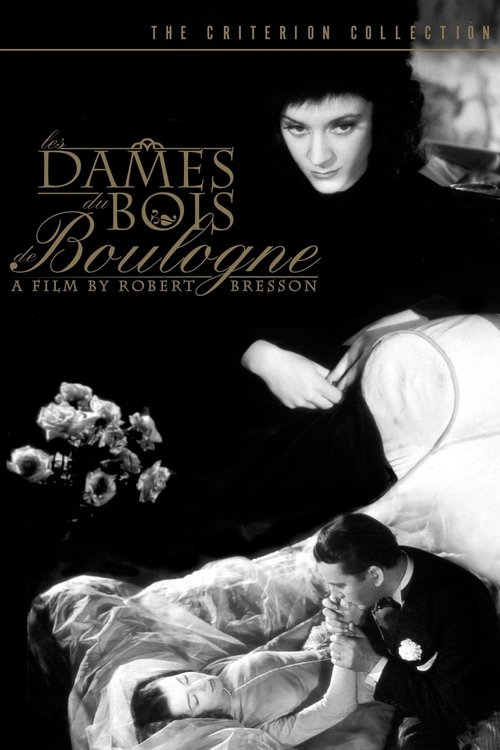
1945
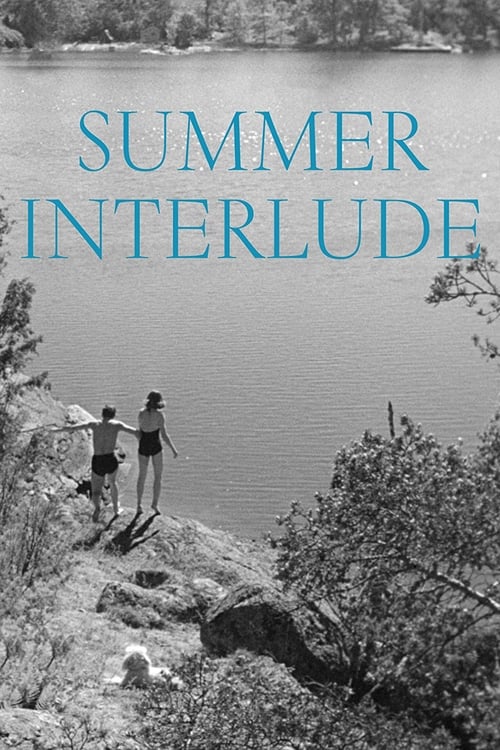
1951
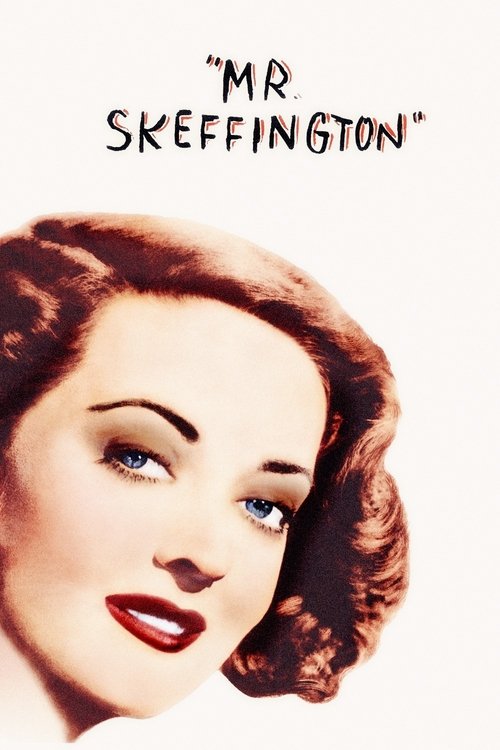
1944
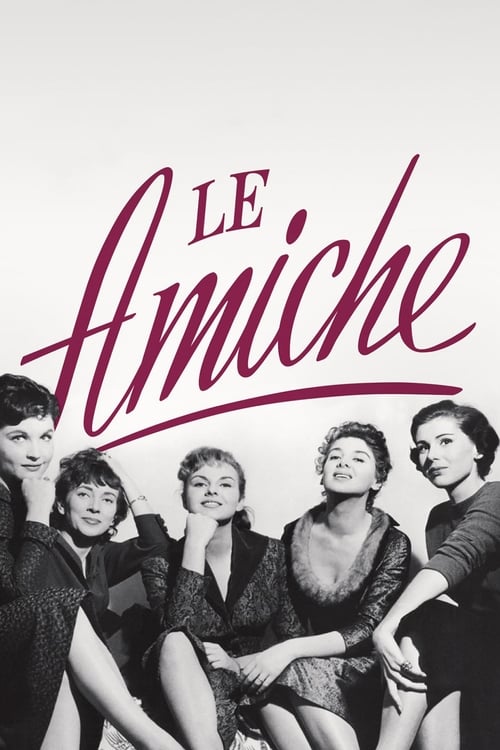
1955
1949
No reviews yet. Be the first to share your thoughts on this movie!
Use the rating form above to leave a star rating and optional review.