Cinema Novo
2016
No user ratings available yet
Representation score: 8.5 out of 10
Representation Score
Good
2019
Director
Gonzalo Benavente Secco
Runtime
110 minutes
Average Rating
No ratings yetNew Showbiz Analysis
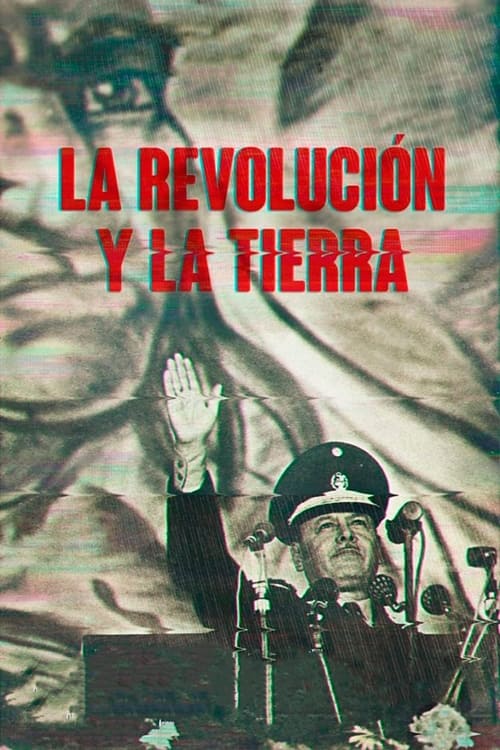
Revolution and Land is a historical inquiry that disrupts conventional Peruvian narratives by focusing on systemic inequality. It moves away from traditionalist accounts to explore the ability to act of the working class and rural populations. The film excels in ethnic and cultural representation by centering the struggle for land rights and challenging Eurocentric historical frameworks. It uses the 1969 agrarian reform to examine the complexities of social experimentation and resource redistribution. However, the documentary lacks specific evidence regarding gendered ability to act or LGBTQ+ identities. The focus remains primarily on macro-level socio-political restructuring and class-based power shifts.
Category Breakdown
The film focuses on agrarian reform and macro-level social history. There is no explicit mention of non-assuming gender matches what was assigned at birth identities or LGBTQ+ narratives.
The film addresses the dismantling of the master and serf relationship. While it does not explicitly detail gendered power dynamics, the subversion of class hierarchies often involves patriarchal structures.
The film provides high ability to act to indigenous and rural populations by centering their struggle for land rights. It prioritizes the perspectives of historically underrepresented ethnic groups over the landed elite.
The documentary critiques traditional Western-aligned capitalist structures and land ownership models. It frames the Velasco Alvarado era as a social experiment through a lens of social justice and redistribution.
No specific data is available regarding the portrayal of physical or neurodivergent identities within this historical documentary context.
Present on Screen
Limited or Absent
Official Synopsis
The long fight over the land, which demolished the wall between master and serf, continues to divide Peru to this day. But the 1969 agrarian reform marked a before and after in the country's story - a profound change that Peruvian cinema reflected and encapsulated, creating great imagination we continue to discover today. 50 years after the social experiments of the revolution, we ask ourselves whether Peru really messed up or not with Juan Velasco Alvarado.
2016
2018

1975
2017

1961
1950
1991

1984
No reviews yet. Be the first to share your thoughts on this movie!
Use the rating form above to leave a star rating and optional review.