Gestapo's Last Orgy
1977
No user ratings available yet
Representation score: 4.7 out of 10
Representation Score
Fair
1972
Director
Andrzej Żuławski
Runtime
107 minutes
Average Rating
No ratings yetNew Showbiz Analysis
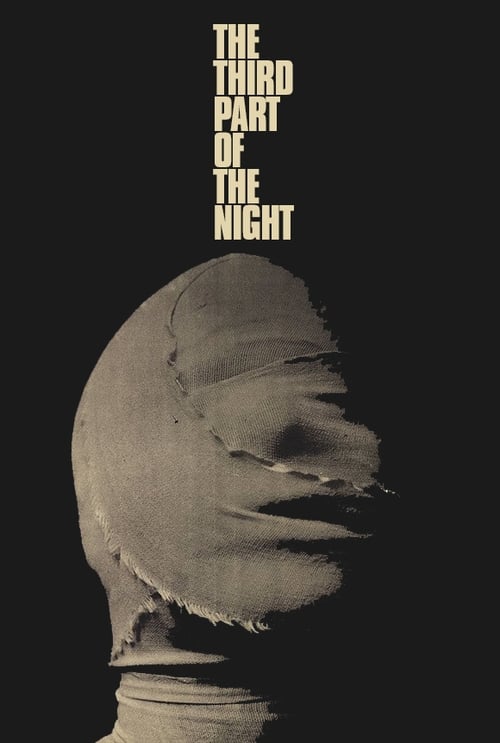
Andrzej Żuławski’s film is a visceral, expressionistic exploration of psychological disintegration. It excels as a postmodern descent into madness, using surrealism to mirror the trauma of living under Nazi occupation. The work effectively critiques totalitarianism and the corruption of state power. It dismantles the idea of a stable society, providing a complex view of how systemic oppression affects individuals. However, the film remains heavily centered on a singular, male-driven experience. The lack of diverse representation and the focus on traditional patriarchal structures of trauma limit its broad appeal.
Category Breakdown
The film does not include any LGBTQ+ characters or explore non-straight identities. The story centers around the protagonist's struggle within a family torn apart by war.
The narrative focuses almost entirely on the male protagonist, Michał. Women are mainly portrayed as catalysts for grief or victims of systemic violence during wartime.
The film accurately depicts the ethnic reality of Nazi-occupied Poland. It highlights the conflict between Polish identity and the oppressive German forces.
The story critiques institutional power and state authority deeply. It suggests that traditional ethics and religious beliefs become unsustainable under extreme totalitarianism.
The film offers a nuanced exploration of mental health and neurodivergence. It delves into the protagonist's psychological breakdown through hallucinations and a fractured mind.
Present on Screen
Limited or Absent
Official Synopsis
Set during the Nazi occupation of Poland, the story follows Michał, who witnesses the murder of his mother, wife and child and then is hurled into a life that literally is not his own; a surreal world littered with trapdoors, doppelgängers and wormholes.
1977
2001
1976
1969
1986
1952
1967
1972
No reviews yet. Be the first to share your thoughts on this movie!
Use the rating form above to leave a star rating and optional review.