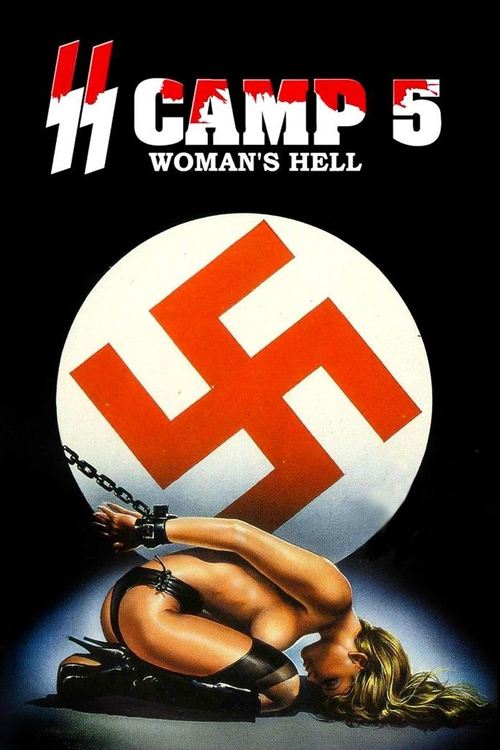
SS Camp 5: Women's Hell
1977
No user ratings available yet
Representation score: 5.0 out of 10
Representation Score
Fair
1977
NRDirector
Cesare Canevari
Runtime
81 minutes
Average Rating
No ratings yetNew Showbiz Analysis
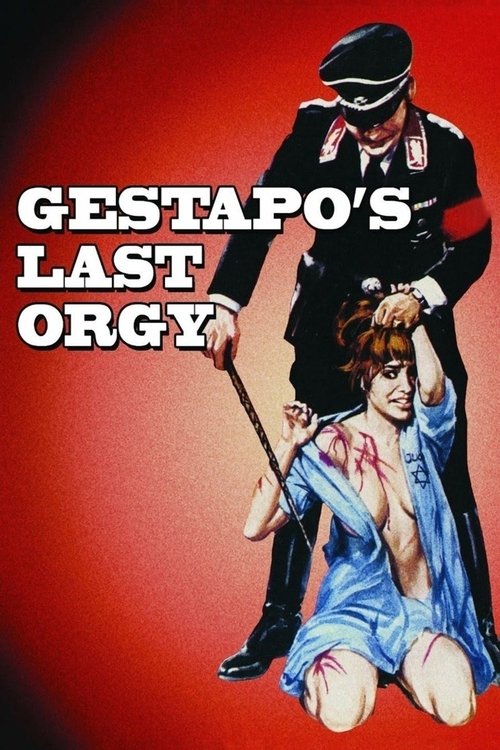
Gestapo's Last Orgy is a powerful critique of institutional oppression that emphasizes the psychological survival of the underrepresented. It avoids traditional heroic wartime clichés, focusing instead on the internal resistance of individuals caught in a corrupt system. While the film lacks modern markers like LGBTQ+ visibility, it finds strength in its portrayal of ethnic identity and systemic corruption. The narrative uses the trauma of the Holocaust to explore the deconstruction of power dynamics. Ultimately, the film's diversity is defined by its focus on the ability to act of the oppressed against a dehumanizing state apparatus.
Category Breakdown
The film does not include any LGBTQ+ identities or non-straight relationships. There is no evidence of queer characters or relationships outside of heterosexual norms.
Lise Cohen shows psychological strength against her captors. However, the bordello setting relies on clichés of women as wartime resources, balancing individual strength against broader societal oppression.
The story focuses on the Jewish experience during the Holocaust. The protagonist's refusal to be broken by her oppressors highlights the importance of internal resistance within this historical context.
The film critiques the corrupt and dehumanizing structures of the Third Reich. It challenges traditional nationalist ideals by showing the military as an oppressive force.
The film does not depict any visible or invisible disabilities that influence the narrative or provide character's ability to drive the story.
Present on Screen
Limited or Absent
Official Synopsis
Lise Cohen is taken to a special prisoner-of-war camp for female Jews, a camp run as a bordello to entertain the German officers and troops going in to battle. The camp is run with an iron fist by Commandant Starker and his minion Alma. Starker becomes frustrated when Lise demonstrates no fear, and devises cruel experiments to scare her, to no avail. Once she realizes her guilt is unfounded, Lise begins to play Starker's game, but even though she begins living a better life, she doesn't forget the atrocities she has seen and experienced.
1977

1975
1976
1974
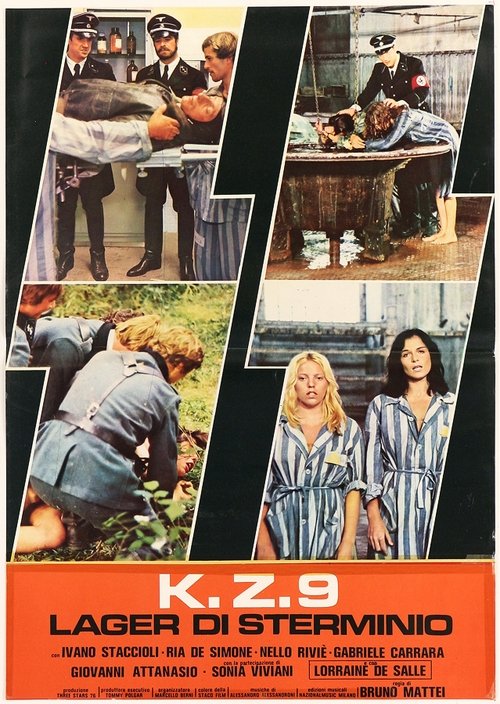
1977
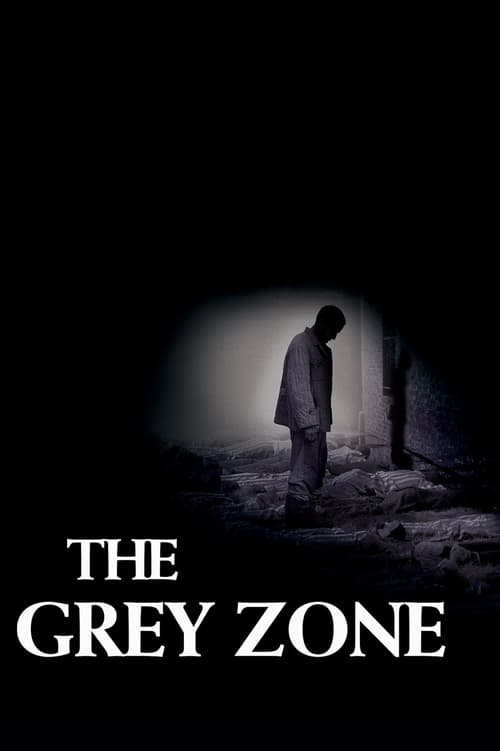
2001

1978
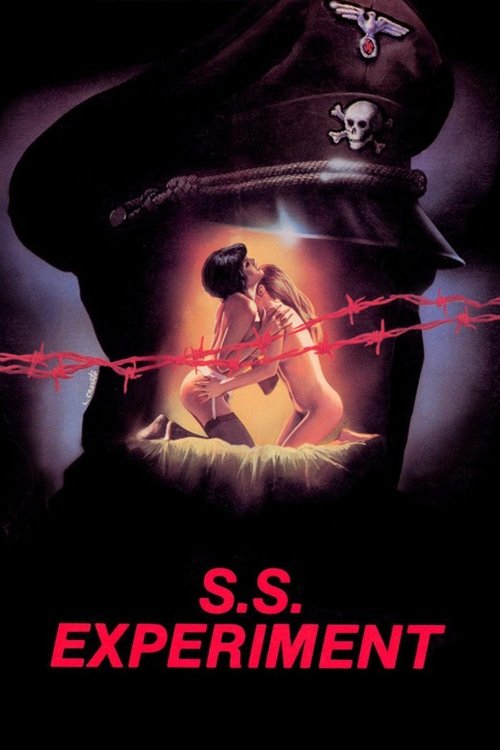
1976
No reviews yet. Be the first to share your thoughts on this movie!
Use the rating form above to leave a star rating and optional review.