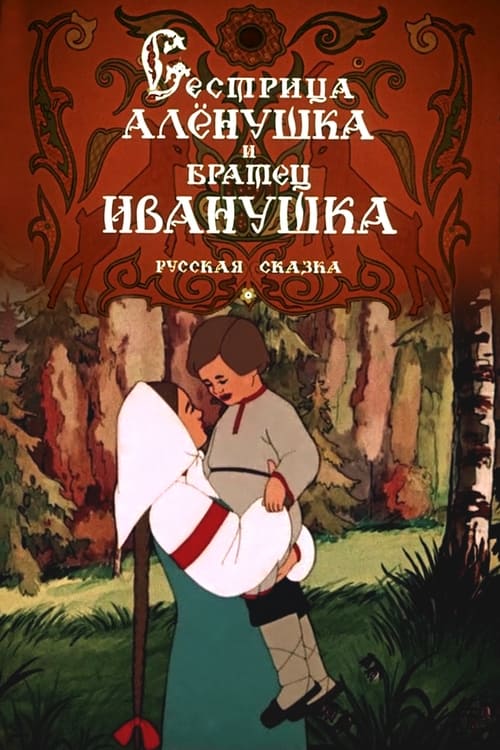
Sister Alyonushka and Brother Ivanushka
1953
No user ratings available yet
Representation score: 1.9 out of 10
Representation Score
Limited
1979
Director
Mayya Buzinova, Iosif Douksha
Runtime
19 minutes
Average Rating
No ratings yetNew Showbiz Analysis
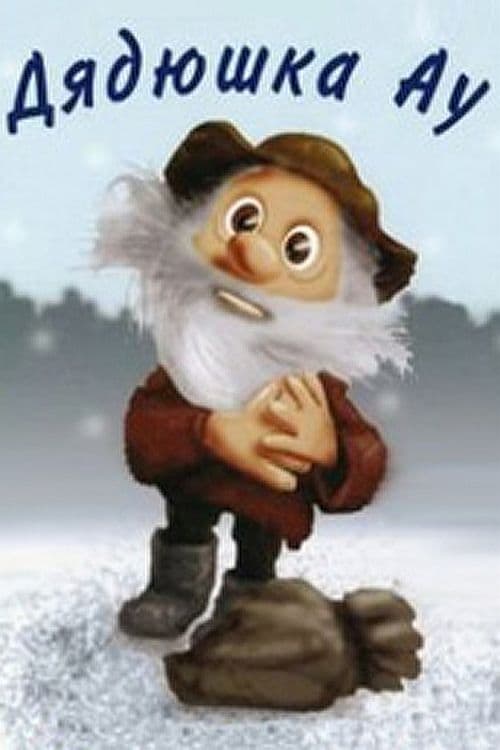
Uncle Au is a Soviet puppet animation that preserves regional Finnish folklore while lacking modern characters who reflect more than one aspect of diversity. Its narrative structure is shaped by the didactic, collective morality of the late-1970s Soviet animation industry. The film operates within the socio-cultural constraints of its era, focusing on traditional storytelling rather than disrupting social hierarchies. This results in a work that is culturally specific but lacks diverse identity exploration. Ultimately, the film serves as a window into regional folk traditions and state-sanctioned social frameworks, offering a localized perspective rather than a multicultural one.
Category Breakdown
The film follows the assumption that everyone is straight or cisgender, typical of 1979 Soviet animation. There is no indication of non-traditional gender identities or challenges to conventional gender roles.
Based on traditional fairytale clichés, the film likely features female characters within established gender hierarchies. The narrative probably follows conventional roles common to folk-based animation.
The production reflects a localized, Eurocentric aesthetic rooted in Finnish folklore. Character designs likely focus on regional ethnic archetypes rather than multicultural representation.
The work emphasizes communal values and social cohesion over Western individualism. It operates within a structured, state-aligned moral framework typical of the Soviet era.
The provided documentation contains no evidence regarding the inclusion of characters with visible or invisible disabilities.
Present on Screen
Limited or Absent
Official Synopsis
Soviet puppet cartoon trilogy basis on a fairytale story by Finnish writer Hannu Mäkelä.
1953
1949
1956
1981
1971
1949
1963
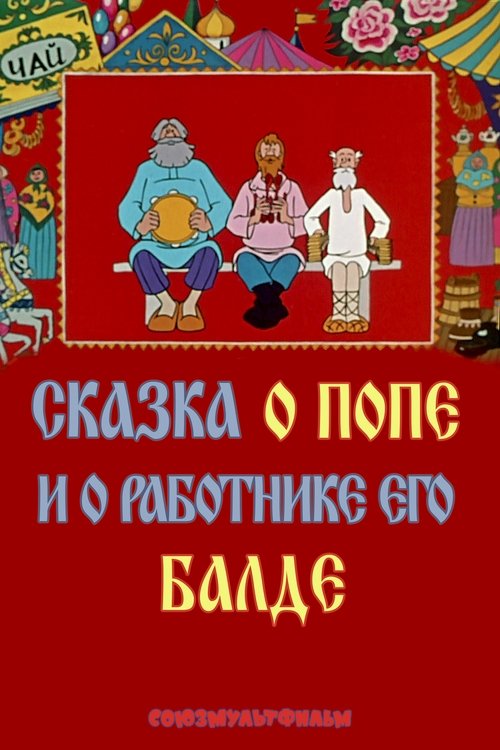
1973
No reviews yet. Be the first to share your thoughts on this movie!
Use the rating form above to leave a star rating and optional review.