Falkenau, the Impossible
1988
No user ratings available yet
Representation score: 5.5 out of 10
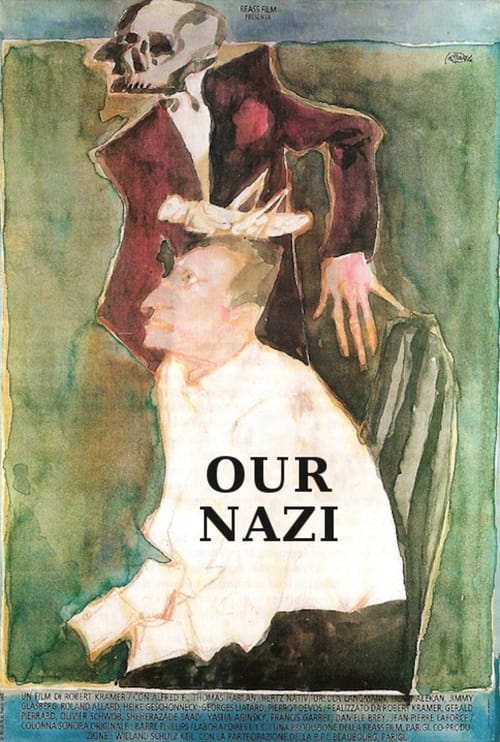
Representation Score
Limited
1984
Director
Robert Kramer
Runtime
94 minutes
Average Rating
No ratings yetNew Showbiz Analysis
Robert Kramer’s documentary deconstructs historical memory with an intellectual focus on disrupting conventional narratives. It prioritizes exposing the complicity within post-war German society over demographic inclusion. The film’s impact comes from its critique of systemic structures rather than identity-based representation. It challenges the legitimacy of dominant historical narratives by highlighting the everyday ways individuals maintain the status quo. While the film lacks traditional markers of diversity, its strength lies in its sophisticated critique of Western institutions and the professional masks hiding historical guilt.
Category Breakdown
The film does not include any explicit LGBTQ+ characters or narratives. Its focus is on the political ideology and the psychological state of post-war Germany.
The film explores how traditional masculine hierarchies evolved into post-war professional environments. It examines the shift in patriarchal power without emphasizing women's ability to drive the story.
The film focuses on the homogeneous white establishment in West Germany, critiquing how specific national identities avoided accountability through systemic protections.
The film effectively critiques Western institutions and capitalism, framing the post-war economic boom as a tool for moral evasion and systemic corruption.
There is no significant depiction of physical or neurodivergent disabilities in the film.
Present on Screen
Limited or Absent
Official Synopsis
In Our Nazi, we are plunged into a situation we barely, and only slowly, understand: the filming of Thomas Harlan’s experimental feature Wundkanal (1984), in which true-life ex-SS officer Alfred Filbert, now very old, is ‘put on trial’ for the camera, without him suspecting what is to come or why he is really there. Kramer’s confronting film is an essay about the sticky complicity of everyone present at this event, each bringing their own history, their own political ideology, their own desires to take revenge, to seek redemption or compassion, or just to put their heads down and ‘get the job done’ professionally, or (in the case of Filbert) to be a star, a part of the magnificent, magical, seductive world of cinema, even if it kills him.
1988
1961
1993

1985
2005
1998
2002
2014
No reviews yet. Be the first to share your thoughts on this movie!
Use the rating form above to leave a star rating and optional review.