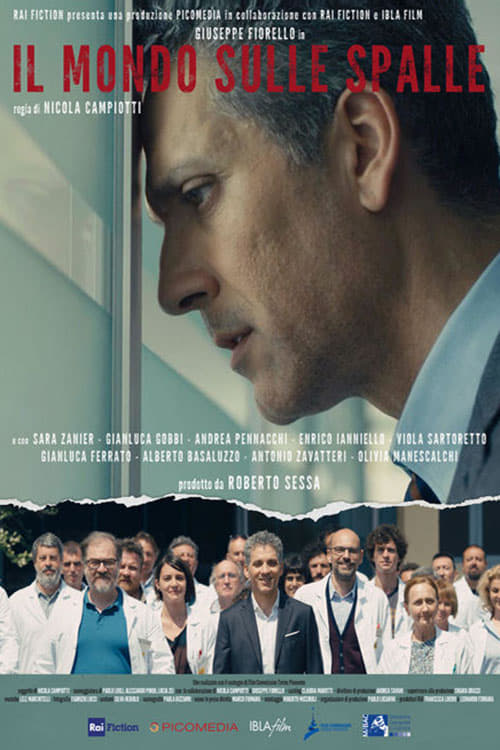
The Weight Of The World On My Shoulders
2019
No user ratings available yet
Diversity score: 3.1 out of 10
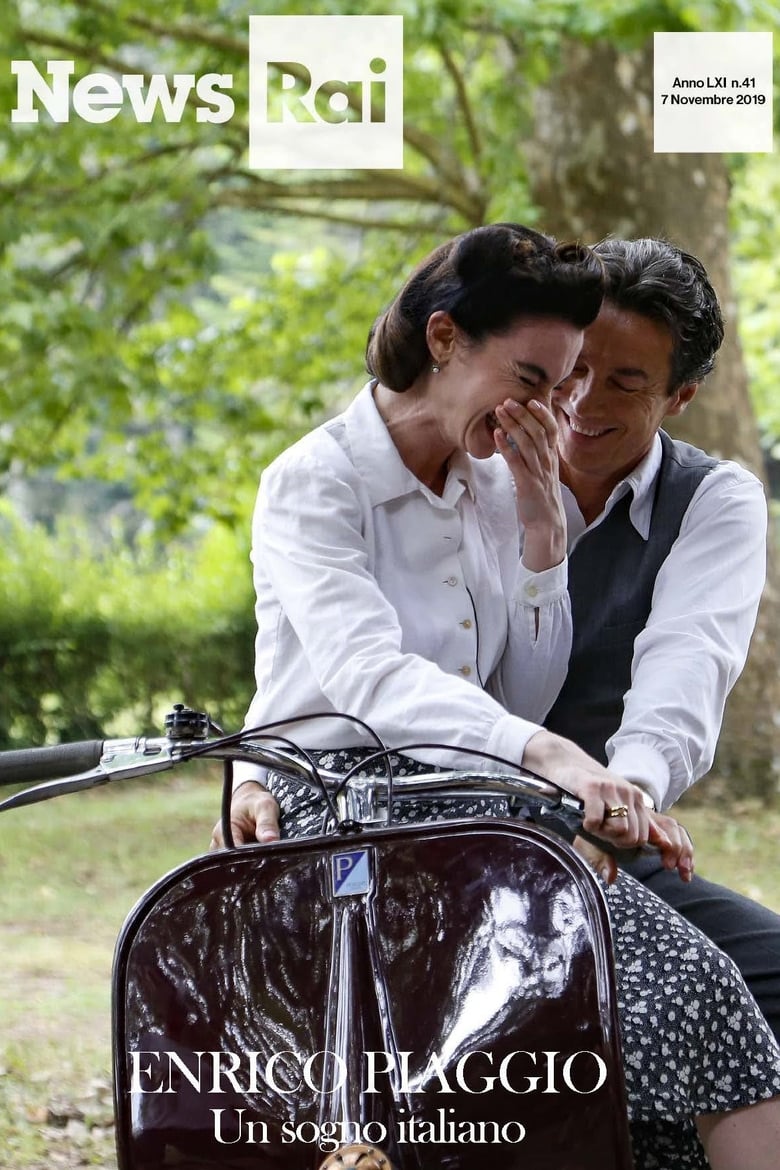
2019
Director
Umberto Marino
Runtime
100 minutes
Average Rating
No ratings yetSynopsis
Pontedera, 1945. Enrico Piaggio's factory is in rubble. Piaggio feels the enormous responsibility that rests on his shoulders: the life of many families depends on his ability to create a new job. A project is beginning to form in his mind, a dream: to create a means of transport that is small, agile and economical, but capable of reviving mobility and boosting recovery. The road to affirmation, for Piaggio and its creature, is fraught with obstacles. An avid financier, Rocchi Battaglia, uses every means to take possession of the factory. Piaggio understands that his scooter, the Vespa, can and must become "the icon of rebirth" and so, when he learns that the American director William Wyler will shoot the film Roman Holiday (1953) in Italy, he sends Suso, a young and talented employee of the public office, to make contact with him to convince him to make the Vespa the "carriage of Cinderella" on which to make the two young and in love protagonists travel.
Overall Score
Limited
Category Breakdown
LGBTQ+ Representation
The film focuses on industrial and economic history. There is no evidence of LGBTQ+ characters or narratives addressing non-cisnormative identities.
Gender Representation
Agency is concentrated in male protagonists like Piaggio and D’Ascanio. The narrative centers on male-dominated spheres of entrepreneurship and engineering.
Racial & Ethnic Diversity
Set in post-WWII Italy, the film reflects the demographic homogeneity of the era. It focuses on the localized economic recovery of the Pontedera region.
Religious & Cultural Diversity
The story celebrates Italian creativity and national recovery. It aligns with traditional institutional rebuilding and the necessity of industrialism.
Disability Representation
There is no mention of characters with physical or neurodivergent disabilities. Disability is not presented as a narrative element.
Strengths
Areas for Improvement
AI Analysis
Enrico Piaggio: Vespa is a conventional historical biopic centered on post-war industrial reconstruction. The narrative architecture prioritizes the rebuilding of traditional economic hierarchies and patriarchal leadership structures. The film emphasizes the roles of the entrepreneur and the engineer, reinforcing a meritocratic view of progress. While it addresses the social misery of unemployment, it does so through the lens of established capitalism. Ultimately, the work offers little engagement with intersectional identities. It functions primarily as a celebration of nationalistic recovery and Italian design within a historically homogenous context.
2019
2011
1949
1960
2005
1957
1963
2014
1962

1949
1952
1970
No reviews yet. Be the first to share your thoughts on this movie!
Use the rating form above to leave a star rating and optional review.