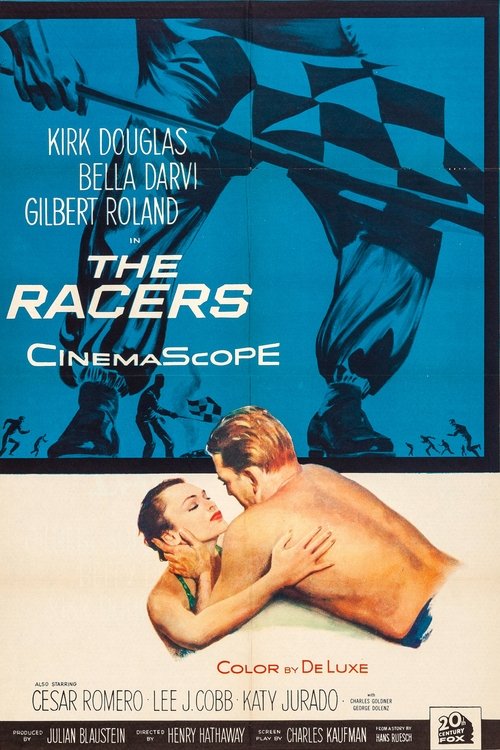
The Racers
1955
No user ratings available yet
Representation score: 2.6 out of 10
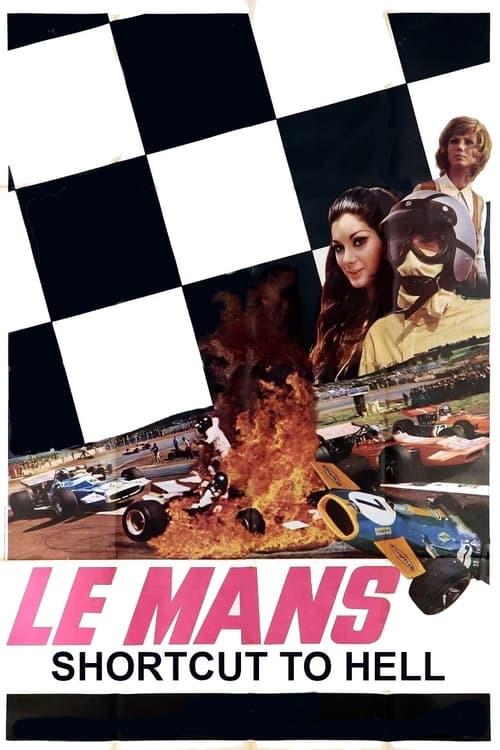
Representation Score
Limited
1970
Director
Osvaldo Civirani
Runtime
92 minutes
Average Rating
No ratings yetNew Showbiz Analysis
Le Mans, Shortcut to Hell is a traditional genre film that prioritizes fast-paced action and racing clichés over sociological depth. The story centers on a male lineage of expertise, particularly the relationship between a seasoned champion and a young protege. Since the film adheres to the conventional social structures of its time, it lacks complexity in representing multiple aspects of identity. The narrative focuses on individual achievement and technological dominance rather than diverse perspectives or systemic critique. Ultimately, the film serves as typical 1970s European action cinema, reflecting the demographic and social norms of the period.
Category Breakdown
The film does not include any LGBTQ+ characters or stories. The racing world portrayed is traditionally male-focused.
The story follows a male-dominated structure with a focus on mentorship between men. Female characters do not have significant roles or ability to act.
The film reflects the homogeneous demographics typical of 1970s European cinema. The racing circuit is centered around Western culture without diverse casting.
The plot emphasizes technological mastery and individual success within a capitalist context. It does not critique Western institutions or secularism.
There are no visible or invisible disabilities featured in the main character arcs or plot drivers.
Present on Screen
Limited or Absent
Official Synopsis
Former racing champion John Lee Scott coaches young driver Dustin Rich. The learn of a new Italian model that can reach 300 kilometers an hour developed by an 80 year old racing expert.
1955

2016
1983
1969
1954
1971
1975
1966
No reviews yet. Be the first to share your thoughts on this movie!
Use the rating form above to leave a star rating and optional review.