
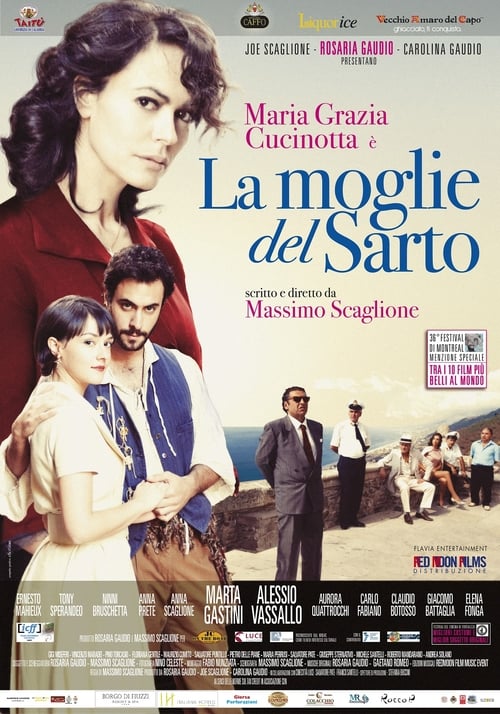
La vita possibile
2016
No user ratings available yet
Representation score: 7.2 out of 10
Representation Score
Limited
2014
TV-PGDirector
Massimo Scaglione
Runtime
0 minutes
Average Rating
No ratings yetNew Showbiz Analysis
The film is a period drama set in 1960s Italy, focusing on individual ability to act and economic perseverance. It successfully presents a woman in a position of professional leadership, challenging the domestic expectations of the era. However, the narrative operates within the traditional frameworks of its historical setting and lacks the complexity needed to address broader societal issues. Ultimately, the film offers a meaningful look at gendered ability to act but remains limited by its homogeneous social context and lack of broader representation.
Category Breakdown
The film centers on a widow and her traditional marital structure. There is no representation of non-traditional gender identities or critiques of the assumption that everyone is straight or cisgender.
A female protagonist navigates a male-dominated tailoring trade, showcasing professional leadership. However, the film does not deeply challenge traditional gender roles or intellectual stereotypes.
Set in a 1960s Italian seaside village, the social structure seems localized and potentially homogeneous. There is no indication of a diverse cast or non-Anglo-Saxon majority.
The story examines economic struggles and legacy preservation within traditional social structures. It lacks explicit anti-religious or secular narratives, focusing instead on hard work and industry.
The narrative does not include any characters with visible or invisible disabilities.
Present on Screen
Limited or Absent
Official Synopsis
1960s, an Italian seaside village. Cast out after the death of her husband, the wife of a tailor battles to keep the local business afloat.
2016

1957
2009

2011
2007
2016
2007
2011
No reviews yet. Be the first to share your thoughts on this movie!
Use the rating form above to leave a star rating and optional review.