
Ninja: American Warrior
1987
No user ratings available yet
Diversity score: 2.9 out of 10

1992
RDirector
Sam Firstenberg
Runtime
87 minutes
Average Rating
No ratings yetSynopsis
A martial artist working as a reporter tries to track down his family’s sword passed down by his adopted Japanese father. He soon finds himself fighting for his life in a brutal underground tournament.
Overall Score
Limited
Category Breakdown
LGBTQ+ Representation
The film lacks any presence of non-cisnormative identities or same-sex intimacy. It operates entirely within a conventional heteronormative framework typical of early 90s action cinema.
Gender Representation
The narrative centers on male physical prowess and combatant agency. It reinforces traditional gender hierarchies by focusing on a male protagonist navigating a male-dominated tournament.
Racial & Ethnic Diversity
The film provides meaningful representation through its lead, Kenji, an Asian-American character of mixed Filipino and Cherokee descent. This disrupts the era's tendency toward homogeneous white protagonists.
Religious & Cultural Diversity
The story emphasizes traditional values of honor and martial arts discipline within a standard Western framework. It lacks significant critiques of Western institutions or systemic social structures.
Disability Representation
There are no characters with visible or invisible disabilities. The narrative focus remains strictly on physical peak performance and combat capability.
Strengths
Areas for Improvement
AI Analysis
American Samurai stands as a transitional piece of 90s genre cinema. Its primary strength lies in its casting, which challenges the racial homogeneity common in Western action films of the period by centering an Asian-American lead. However, the film remains deeply rooted in traditional archetypes. It prioritizes masculine dominance and individualistic vigilantism, offering little in the way of gender subversion or intersectional complexity. While the protagonist's heritage provides a nuanced lens on the Asian-American experience, the broader narrative lacks engagement with disability, LGBTQ+ identities, or systemic social critiques.
1987

1991
1993
1987
1993
1987
1985
1993

1983
1987
1981
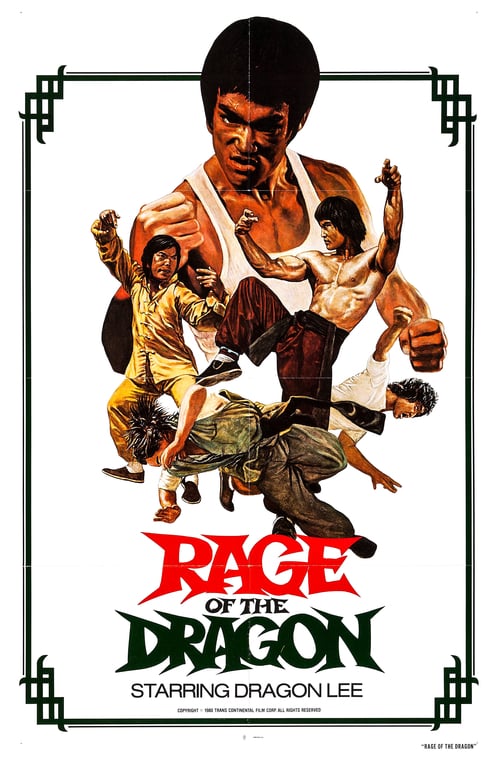
1980
No reviews yet. Be the first to share your thoughts on this movie!
Use the rating form above to leave a star rating and optional review.