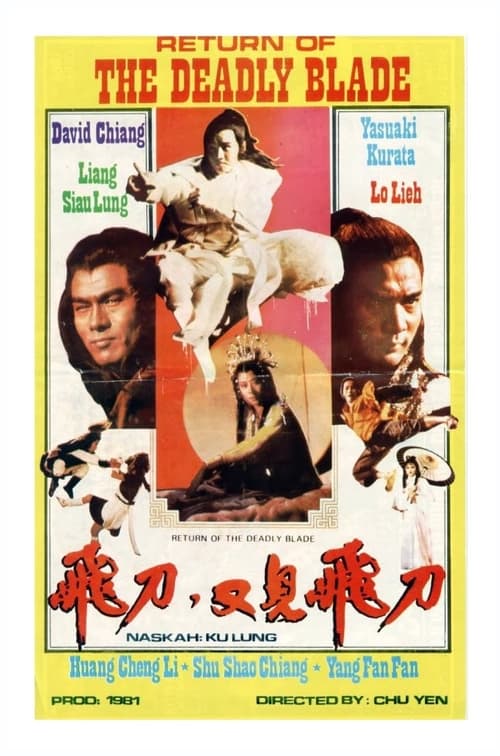
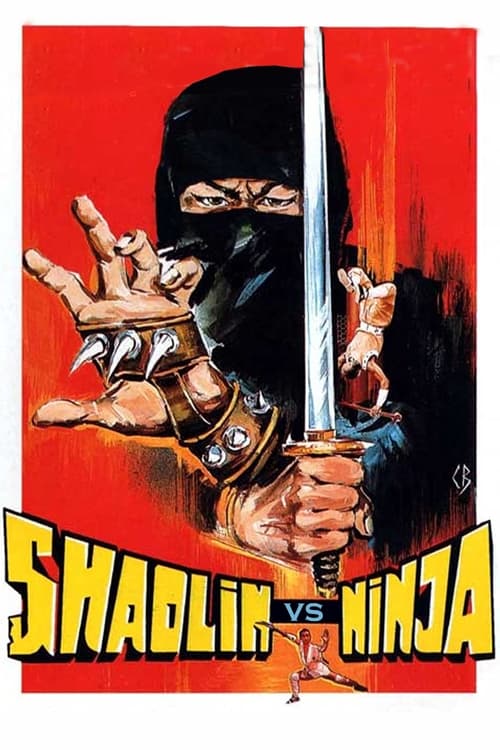
Shaolin Fighters vs. Ninja
1981
No user ratings available yet
Representation score: 2.5 out of 10
Representation Score
Limited
1983
NRDirector
Robert Tai
Runtime
84 minutes
Average Rating
No ratings yetNew Showbiz Analysis
Shaolin vs. Ninja is a highly culturally specific genre exercise that prioritizes technical choreography and historical martial arts traditions. It excels in ethnic authenticity by centering East Asian combat expertise and avoiding Western clichés of whitewashing. However, the film remains deeply rooted in traditional, patriarchal, and straight-centered clichés. The narrative is built around a strictly masculine framework, leaving little room for diverse gender expressions or social subversion. Ultimately, while the film is an authentic representation of regional martial arts history, it lacks depth in representing diverse identities or progressive narrative elements.
Category Breakdown
The film follows a traditional masculine framework typical of 1980s martial arts cinema. There are no LGBTQ+ identities or narratives that question the assumption that everyone is straight or cisgender.
This is a male-centric action piece driven by monks and ninjas. Female characters are underrepresented in positions of intellectual or physical authority.
The cast is predominantly East Asian, reflecting the historical context of Shaolin and Japanese traditions. It avoids Western whitewashing by centering East Asian ability to act.
The story depicts a clash between Shaolin and Bushido traditions. It focuses on defending a religious institution against external aggression without critiquing systemic issues.
The narrative focuses on peak physical performance. There is no evidence of characters with visible or invisible disabilities being portrayed with ability to act.
Present on Screen
Limited or Absent
Official Synopsis
A Japanese Prince proposes to the Shaolin abbot that a contest between Ching and Japanese martials arts should be held at the Shaolin Temple. However this is just a front for a more villainous plot to overthrow Shaolin and then China herself. Without doubt some of the best choreography to come out of the Orient and crack up as Japanese Bushido experts take on the very best of Shaolin kung fu
1981
1982
1986
1993
1983
1973
1979

1987
No reviews yet. Be the first to share your thoughts on this movie!
Use the rating form above to leave a star rating and optional review.