
American Samurai
1992
No user ratings available yet
Diversity score: 2.9 out of 10
1993
RDirector
Joseph Merhi
Runtime
99 minutes
Average Rating
No ratings yetSynopsis
A member of the U.S. kickboxing team recruits his father and his fellow teammates to help stop a ruthless gambler from rigging the World Kickboxing Championship in Las Vegas.
Overall Score
Limited
Category Breakdown
LGBTQ+ Representation
The film operates within a traditional heteronormative framework. There are no LGBTQ+ characters or non-cisnormative identities present in this hyper-masculine martial arts setting.
Gender Representation
Physical agency is concentrated almost exclusively in male characters. The narrative adheres to conventional gender hierarchies, focusing on combat proficiency and male dominance.
Racial & Ethnic Diversity
The film features a Black lead, Billy Blanks, in a high-agency role. However, the supporting cast maintains a standard, non-diverse distribution typical of the era.
Religious & Cultural Diversity
The story follows a traditional Western heroic arc centered on protecting sporting institutions. It reinforces Western values of justice rather than deconstructing them.
Disability Representation
The narrative focuses on peak physical performance. There is no evidence of characters with visible or invisible disabilities integrated into the story.
Strengths
Areas for Improvement
AI Analysis
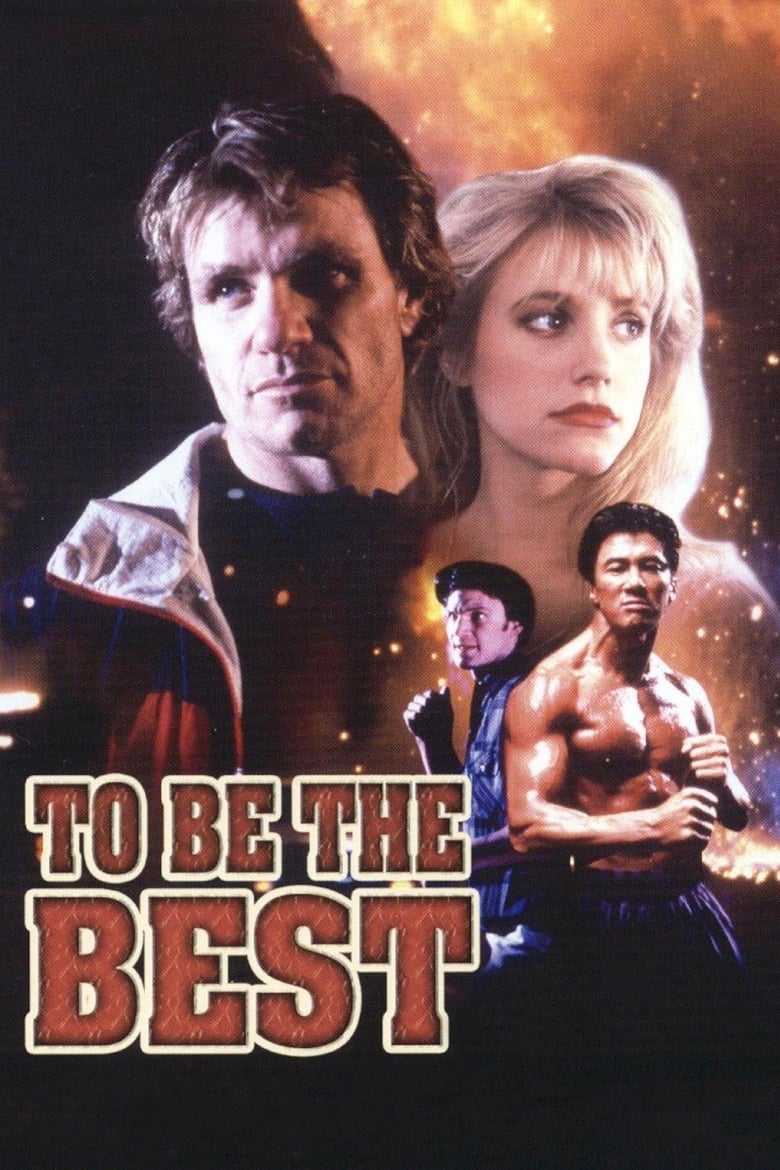
To Be the Best is a standard 1990s action piece that prioritizes genre tropes over social critique. While it avoids many progressive complexities, it does offer a notable moment of racial representation through its lead actor. The film's strength lies in its central protagonist, a Black martial artist who drives the plot. This provides a level of agency often missing in period action cinema. However, the film remains deeply rooted in traditional hierarchies. It lacks LGBTQ+ representation, ignores disability, and maintains a narrow focus on hyper-masculine, Western-centric heroism.
1992
1990
1996
1993

2021
1979
1993
1981
1992
2006
1987

1973
No reviews yet. Be the first to share your thoughts on this movie!
Use the rating form above to leave a star rating and optional review.