Ninja Operation: Knight and Warrior
1987
No user ratings available yet
Representation score: 2.0 out of 10
Representation Score
Minimal
1987
RDirector
Gordon Hessler
Runtime
92 minutes
Average Rating
No ratings yetNew Showbiz Analysis
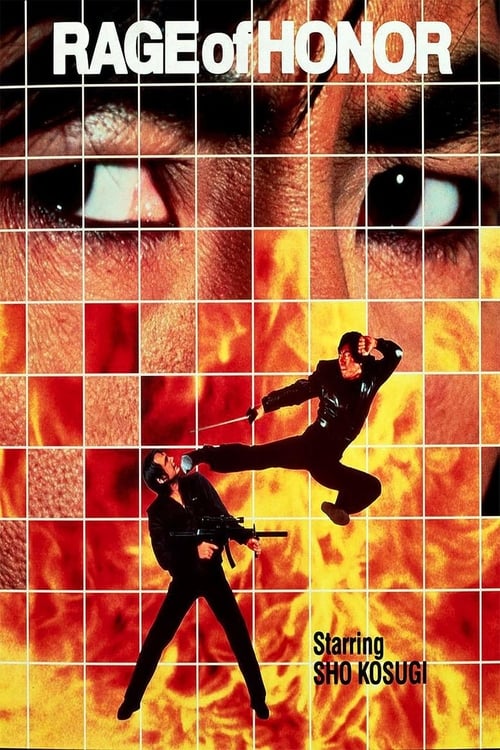
Rage of Honor is a traditional 1980s action-thriller that follows a straightforward path of betrayal and vengeance. The story relies on a classic hero's journey, focusing on a protagonist seeking justice after a personal loss. While the film avoids a purely Anglo-centric perspective by featuring a Japanese lead, it remains deeply rooted in established genre clichés. The narrative structure prioritizes conventional storytelling methods typical of its era. The film lacks significant representation across most social categories, focusing instead on masculine archetypes and standard law enforcement themes.
Category Breakdown
The film focuses on a male partnership and a revenge plot. There is no representation of non-traditional gender identities or narratives that question the assumption that everyone is straight.
The story centers on male characters through the partnership of Shiro and Ray. It emphasizes traditional masculine roles in law enforcement and combat.
The film features a Japanese protagonist operating in an international context in Argentina. This provides a break from purely Anglo-centric narratives.
The structure adheres to traditional Western cinematic clichés of justice and retribution. It upholds conventional institutional roles without challenging systemic power structures.
There is no mention of characters dealing with physical or neurodivergent experiences within the story.
Present on Screen
Limited or Absent
Official Synopsis
A Japanese cop, Shiro, and his partner Ray are after a bunch of drug dealers. But they are betrayed by an insider and Ray is killed. Shiro follows the murderer, a sadistic drug lord, up to Argentina
1987

1972

1986

1972
1977

1991

1983

1974
No reviews yet. Be the first to share your thoughts on this movie!
Use the rating form above to leave a star rating and optional review.