Fighting Back
1948
No user ratings available yet
Representation score: 1.4 out of 10
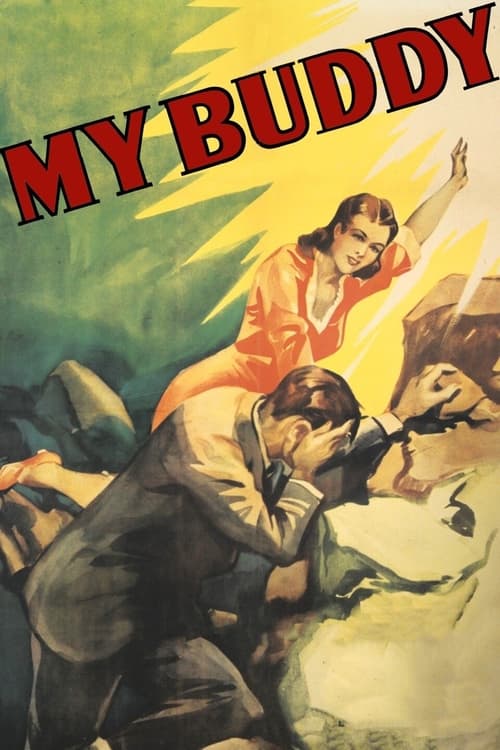
Representation Score
Minimal
1944
ApprovedDirector
Steve Sekely
Runtime
67 minutes
Average Rating
No ratings yetNew Showbiz Analysis
My Buddy is a quintessential 1940s crime drama that centers on the male experience of post-war reintegration. The narrative follows a veteran's descent into criminality due to economic instability, utilizing traditional dramatic clichés of the era. The film lacks depth in reflecting diverse identities, focusing almost exclusively on a homogeneous social group. While it touches on the failure of social institutions through a religious lens, it does not challenge the period's standard social hierarchies. Ultimately, the film serves as a period piece that reflects the era's cinematic constraints, offering a narrow view of struggle through a lens of traditional masculine hardship.
Category Breakdown
The film focuses on traditional masculine bonds and the socio-economic struggles of a veteran. It does not include any LGBTQ+ identities or narratives that challenge the assumption that everyone is straight or cisgender.
The story prioritizes men's control over the story and the masculine struggle against economic failure. Marriage is mentioned but is framed by economic hardship rather than a subversion of gender roles.
The film reflects the homogeneous casting norms of 1944. There is no indication of a non-white majority cast or any disruption of historical racial norms.
A priest provides a religious framework for the story. The narrative explores institutional morality and the struggle of an individual within existing systemic constraints.
There is no evidence of characters navigating disabilities or neurodivergence. Veteran status serves as a catalyst for economic struggle rather than an exploration of disability.
Present on Screen
Limited or Absent
Official Synopsis
A priest relates the tale of his friend, a WWI veteran, to the Post-War Planning Committee. Unable to get a job upon his return from the war, he puts off his marriage and works for a bootlegger. He is forced to take a rap for his boss, goes to prison, and forms a gang.
1948
1949
1947
1932
1946

1952
1943
1940
No reviews yet. Be the first to share your thoughts on this movie!
Use the rating form above to leave a star rating and optional review.