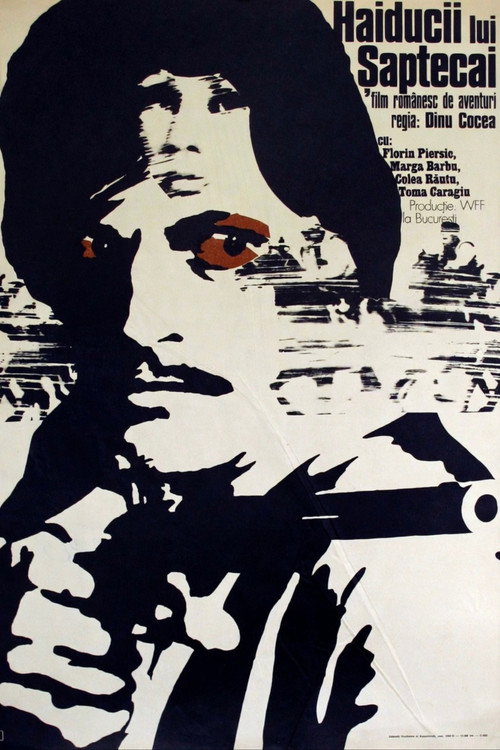
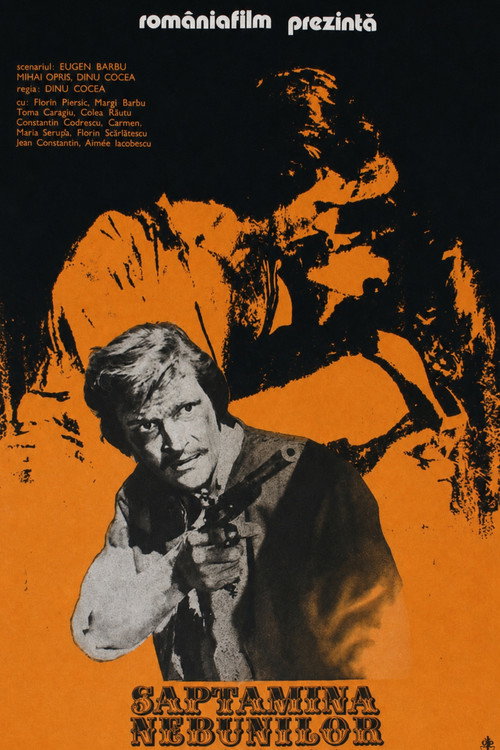
The Outlaws of Sevenhorses
1971
No user ratings available yet
Representation score: 3.4 out of 10
Representation Score
Fair
1971
Director
Dinu Cocea
Runtime
87 minutes
Average Rating
No ratings yetNew Showbiz Analysis
The film is a historical adventure that prioritizes collective political struggle over individual identity politics. It succeeds in portraying systemic critique through the lens of outlaw rebellion and resistance against established authority. While the work lacks modern multi-layered markers like LGBTQ+ or neurodivergent representation, it finds depth in its exploration of social hierarchies. The narrative shifts from mere criminality to a pursuit of collective ability to act. Ultimately, the film's diversity is found in its thematic subversion of power rather than its demographic breadth, reflecting the socio-political frameworks of 1971 Romanian cinema.
Category Breakdown
The film does not include any characters with non-straight or non-cisgender identities. It follows the typical relationship dynamics of 1970s adventure movies.
Female characters such as Lady Ralu and Anița play supportive roles. However, the main driving force comes from male-led outlaw groups, leaving women as catalysts rather than leaders in political change.
The cast is ethnically uniform, reflecting the historical Romanian context. The film emphasizes class hierarchies and the social standing of those on the margins.
The narrative explores anti-authoritarian themes. By aligning outlaws with a revolutionary army, it portrays established power structures as entities worth resisting and subverting.
The film does not feature any characters using visible or invisible disabilities as central narrative elements or tools for empowerment.
Present on Screen
Limited or Absent
Official Synopsis
The last part of the triptych dedicated to the outlaw Șaptecai and episode 6 of the Outlaws series. In the Week of Fools, Anghel's band exchanges Lady Ralu's dowry for arms for Tudor of Vladimiri's army, which they decide to join. Although captured by Mamoulos and savagely tortured by his men, Șaptecai escapes from the dungeon and goes on his way. With the help of Anița, the Răspopitul, Parpanghel and other fellow outlaws, Anghel finally sees his dream come true.
1971
1964
1972

1964
1966

1971
1968
1980
No reviews yet. Be the first to share your thoughts on this movie!
Use the rating form above to leave a star rating and optional review.