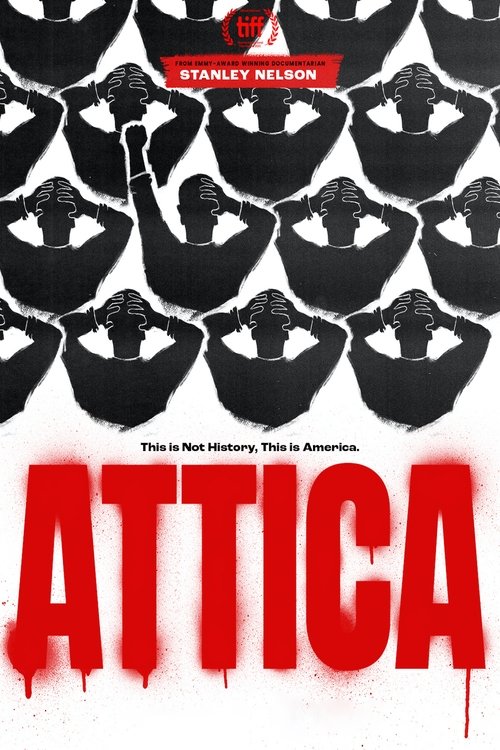
Attica
2021
No user ratings available yet
Representation score: 7.8 out of 10

Representation Score
Fair
1974
Director
Cinda Firestone
Runtime
80 minutes
Average Rating
No ratings yetNew Showbiz Analysis
Attica (1974) is a powerful documentary that prioritizes a critique of systemic oppression over official state narratives. It excels at challenging the legitimacy of state authority by centering the voices of underrepresented groups. However, the film's focus on the 1971 prison uprising limits its scope to predominantly male figures, resulting in a lack of gender and LGBTQ+ diversity. Ultimately, the work stands as a strong examination of race and class, using archival evidence to challenge traditional power structures in the American justice system.
Category Breakdown
The film focuses on a male-dominated prison environment from 1971 and does not include any LGBTQ+ characters or non-cisgender identities.
Gender representation is primarily male-focused, with few female characters. The film highlights the dominance of male inmates and officials, lacking women's ability to drive the story.
The documentary centers on the uprising of predominantly Black and Latino inmates. It challenges traditional media by emphasizing the ability to act of people of color.
The film critiques Western institutions as oppressive entities. It portrays the justice system as a force that oppresses rather than a neutral arbitrator of law.
The film does not prominently feature neurodivergence or physical disabilities. Subjects are defined by their legal status and race rather than their specific health conditions.
Present on Screen
Limited or Absent
Official Synopsis
In 1971, inmates at Attica State Prison seized control of D-yard and took 35 hostages after peaceful efforts for reforms failed. Attica investigates the rebellion and its bloody suppression, revealing institutionalized injustices, sanctioned dishonesty, and abuses of power.
2021
2012

2021

1977

1998

1967
2012

2002
No reviews yet. Be the first to share your thoughts on this movie!
Use the rating form above to leave a star rating and optional review.