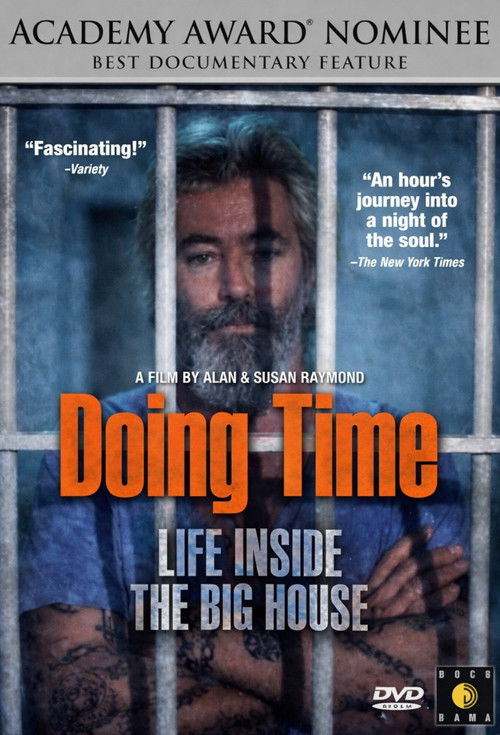
Doing Time: Life Inside the Big House
1991
No user ratings available yet
Representation score: 6.1 out of 10
Representation Score
Fair
1998
Director
Jonathan Stack, Liz Garbus
Runtime
88 minutes
Average Rating
No ratings yetNew Showbiz Analysis
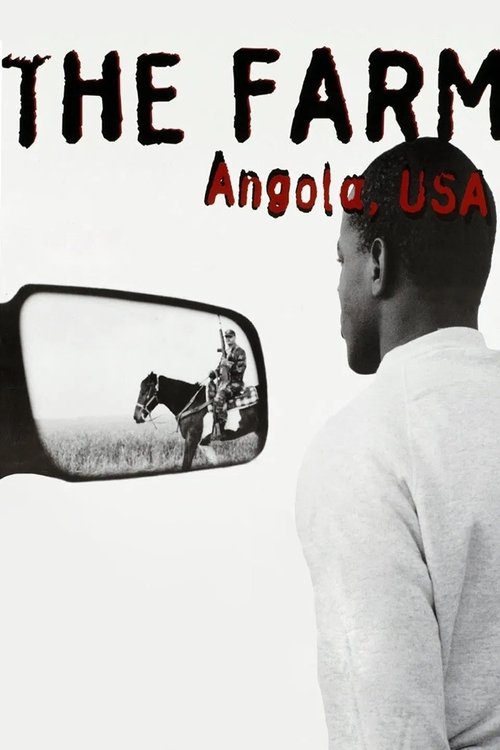
The Farm: Angola, USA is a compelling social-realist documentary that centers the voices of those within the American penal system. Its main strength lies in its candid exploration of racial and systemic power dynamics, offering a critical view of the prison-industrial complex. However, the film's scope is limited by the demographic realities of its setting. The hyper-masculine environment leads to a lack of LGBTQ+ and female perspectives, narrowing the range of gender representation. Overall, the film offers a crucial examination of institutional dysfunction. It goes beyond simple punishment to highlight how socioeconomic and racial inequalities are perpetuated through state authority.
Category Breakdown
The film focuses on a hyper-masculine environment where there are no visible LGBTQ+ characters or stories about non-straight relationships.
The film portrays a strict, traditional male-dominated structure. Women and diverse gender expressions are not represented due to the prison's demographics.
The documentary highlights a predominantly Black inmate population, challenging typical media depictions of the American South. It emphasizes the intersection of race and the penal system.
The film critically examines Western institutional systems. It presents the American penal system and its economic foundations as inherently oppressive structures.
The film showcases the connection between mental health issues and the physical strain of incarceration. Psychological distress is shown as part of a larger systemic issue.
Present on Screen
Limited or Absent
Official Synopsis
Documentary depicting day to day life in Angola Prison mostly from an inmate's perspective. Interviews are with several inmates including one with a life sentence who is about to die.
1991
1978
2014
2012
2015

2011
2011
2015
No reviews yet. Be the first to share your thoughts on this movie!
Use the rating form above to leave a star rating and optional review.