The Neon Bible
1995
No user ratings available yet
Representation score: 5.7 out of 10
Representation Score
Fair
1997
Not RatedDirector
David Rocksavage
Runtime
94 minutes
Average Rating
No ratings yetNew Showbiz Analysis
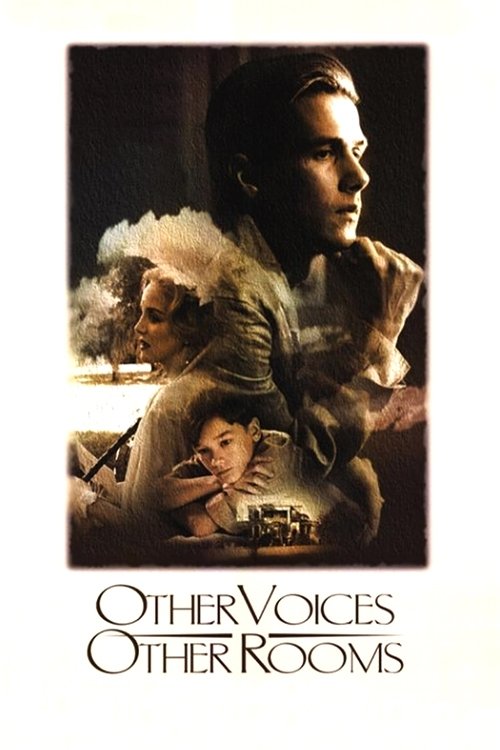
Other Voices Other Rooms is a character-driven period drama that utilizes Southern Gothic clichés to examine social outsiders. It succeeds in deconstructing the idealized American South by presenting a landscape of eccentricity and domestic dysfunction. However, the film lacks explicit, characters who reflect more than one aspect of diversity of diverse identities. The focus remains on individual maturation within a traditional, period-accurate setting rather than a systemic deconstruction of social hierarchies. Ultimately, the film functions as a study of social alienation, though it remains tethered to the historical limitations of its 1930s setting.
Category Breakdown
The film explores themes of social alienation and identity within a restrictive Southern setting. While there may be subtextual hints of queer identity, there is no explicit confirmation of non-traditional romantic pairings.
The presence of a feisty mistress disrupts the traditional nuclear family model. However, the protagonist's journey toward becoming an upstanding young man suggests a move towards conforming to traditional masculine standards.
Set in the 1930s Deep South, the film likely reflects the era's systemic racial hierarchies. The narrative focuses on a homogeneous plantation class with limited control over their circumstances for characters of color.
The story challenges idealized Southern life by focusing on a shabby, fractured plantation environment. It prioritizes human dysfunction and subjective morality over traditional religious or social stability.
The narrative provides no evidence regarding the portrayal of physical or neurodivergent disabilities.
Present on Screen
Limited or Absent
Official Synopsis
Truman Capote's semi-autobiographical first novel about coming of age in the Deep South during the 1930s centers on 13-year-old Joel Sansom (David Speck), who reunites with his estranged father at the family's shabby plantation, where he must contend with his father's feisty mistress and a strange cousin. Against this less-than-ideal backdrop, Joel slowly matures into an upstanding young man.
1995
1983
1996

2014

2015
2010
1952
2015
No reviews yet. Be the first to share your thoughts on this movie!
Use the rating form above to leave a star rating and optional review.