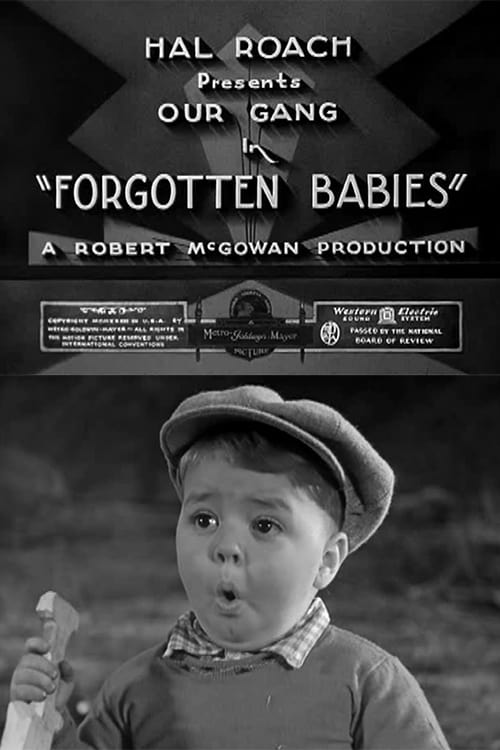
Forgotten Babies
1933
No user ratings available yet
Representation score: 3.2 out of 10
Representation Score
Minimal
1927
PassedDirector
Robert A. McGowan, Charles Oelze
Runtime
20 minutes
Average Rating
No ratings yetNew Showbiz Analysis
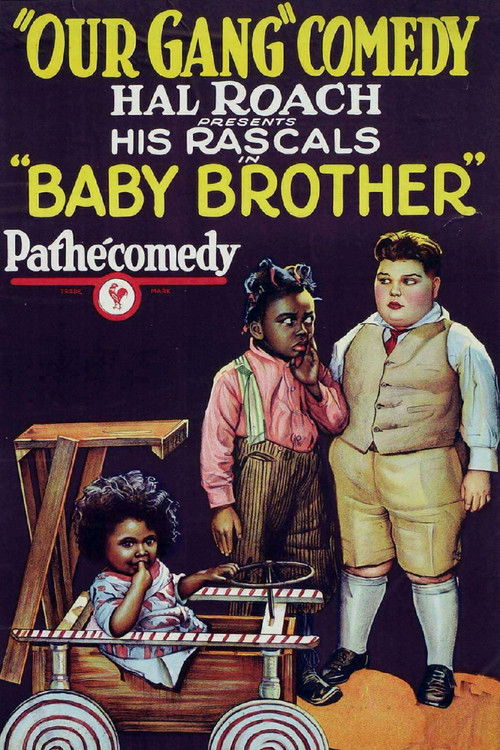
Baby Brother is a product of 1920s silent comedy that prioritizes slapstick over social nuance. While it includes Black characters like Farina, the narrative uses racial identity as a comedic device through the erasure of skin color. This reliance on racialized deception significantly undermines any progress in representation. The film also reflects the era's rigid social hierarchies. Gender roles are addressed through a farcical assembly line that separates babies by sex, and the central plot revolves around the commodification of children. These elements reinforce the status quo rather than challenging it. Ultimately, the film functions as a traditional comedic short. It provides a baseline of racial inclusion for its time but fails to offer meaningful ability to act or subvert the era's prevailing social and racial hierarchies.
Category Breakdown
The film does not depict any LGBTQ themes or non-cisgender identities. The storyline focuses solely on childhood play and comedic interactions set in the 1920s.
Gender roles are shown through a simplistic division of labor. Characters use an assembly-line system to process male and female babies separately, reflecting the social norms of the time.
While the character Farina adds racial visibility, the plot relies on a problematic cliché where an infant is painted white to deceive others. This uses racial identity as a tool for humor.
The story operates within a capitalist framework, centered on a wealthy child trying to buy a baby. It lacks significant evidence of secularism or anti-institutional sentiments.
There are no visible or invisible disabilities portrayed as central narrative elements or characters with ability to act.
Present on Screen
Limited or Absent
Official Synopsis
Joe Cobb is a wealthy child who longs for a baby brother. His nursemaid takes him to the other side where he meets some kids his age (the rest of Our Gang) where Joe offers three dollars for a baby. Farina finds a fellow African-American neighbor woman who lets him mind her infant which he then paints white and sells to Joe. The rest of the gang has set an assembly-line system that washes, dries, rocks, and feeds male and female babies.
1933
1932
1938
1934
1937
1926
1932
1929
No reviews yet. Be the first to share your thoughts on this movie!
Use the rating form above to leave a star rating and optional review.