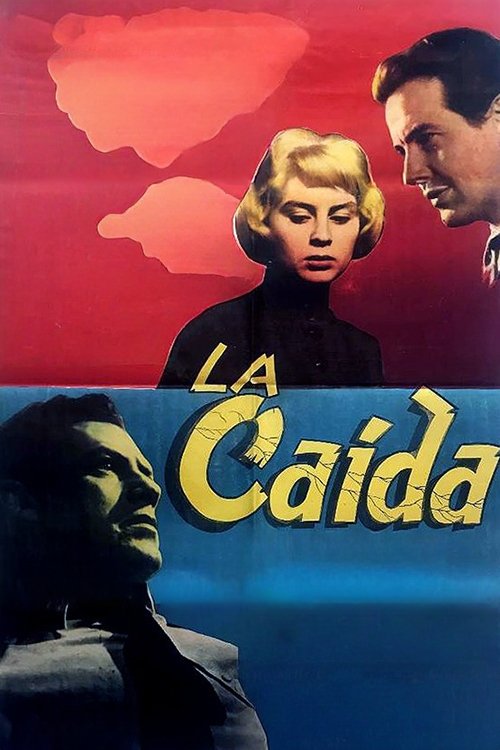
La caída
1959
No user ratings available yet
Representation score: 5.3 out of 10
Representation Score
Fair
1956
16Director
Leopoldo Torre Nilsson
Runtime
80 minutes
Average Rating
No ratings yetNew Showbiz Analysis
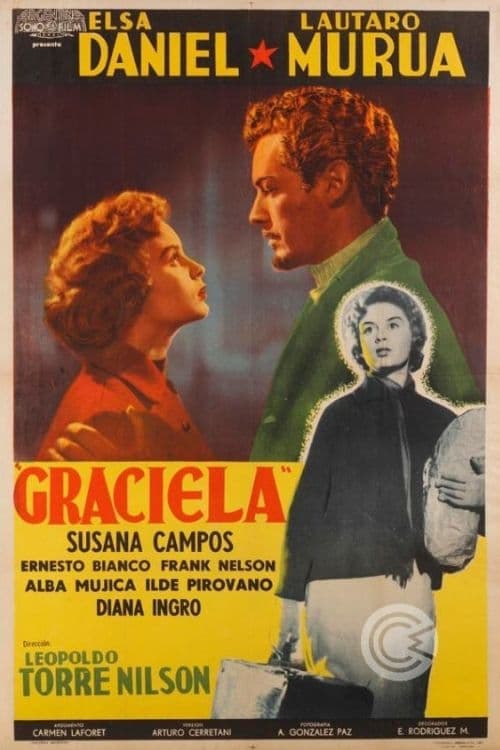
Graciela is portrayed as a character studying the interplay between intellectual pursuits and domestic collapse. The narrative tension stems from the protagonist's academic journey conflicting with the decay of social hierarchies. The film moderately emphasizes female empowerment and critiques the stability of traditional social structures. It portrays the domestic sphere as a site of systemic decay rather than a pillar of strength. While specific identity representations remain unconfirmed, the focus on philosophical inquiry suggests a nuanced departure from traditional storytelling.
Category Breakdown
The film doesn't explicitly confirm any queer identities or same-sex relationships. However, the focus on psychological exploration and family breakdown hints at the possibility of hidden desires through subtle clues.
The story centers around a female protagonist who uses her intellect to challenge traditional passive roles. She disrupts the decaying patriarchal structure through her pursuit of literature and philosophy.
The narrative likely reflects mid-century Argentine social divisions. Although there are no clear non-Anglo-Saxon majority characters, the tension between rural and urban lifestyles serves as a proxy for class-based diversity.
The film critiques traditional Western institutions such as the nuclear family. The protagonist’s engagement with philosophy indicates a preference for secular inquiry over strict religious or traditional morality.
There is no indication of the portrayal of physical or neurodivergent disabilities in this work.
Present on Screen
Limited or Absent
Official Synopsis
A small town girl arrives in the city to study literature and philosophy, she stays in a house inhabited by a family in decline.
1959

2001
1961
1976

1958
1974

1964
1971
No reviews yet. Be the first to share your thoughts on this movie!
Use the rating form above to leave a star rating and optional review.