
Rurouni Kenshin: The Final
2021
No user ratings available yet
Diversity score: 4.1 out of 10
2023
Not RatedDirector
Mani Ratnam
Runtime
164 minutes
Average Rating
No ratings yetSynopsis
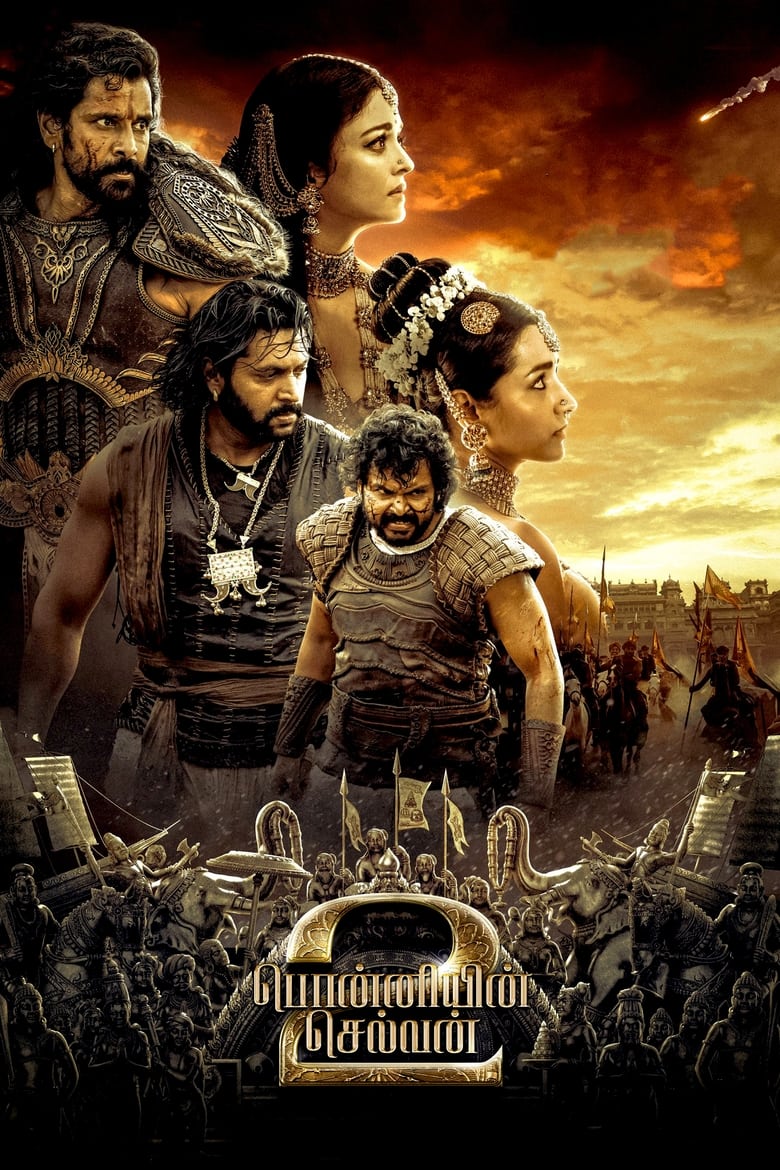
968 AD. The Pandyan assassins gather once again to destroy the Chola dynasty. Now the mighty Chola princes must fight the Pandyas, the Rashtrakutas and other Chola enemies who have joined forces. Also, at play are the rumours of Ponniyin Selvan’s death at sea, the powerful Pazhuvettarayar’s betrayal, and the tragic destiny of Aditha Karikalan, whose heart was long lost to the vengeful Nandini.
Overall Score
Fair
Category Breakdown
LGBTQ+ Representation
The film focuses on the traditional romantic and political entanglements of the 10th-century Chola dynasty. There is no evidence of non-cisnormative gender identities or same-sex intimacy within the narrative.
Gender Representation
Female characters like Kundavai disrupt conventional expectations by acting as intellectual strategists and vital political architects. This agency subverts the trope of the passive female often found in historical epics.
Racial & Ethnic Diversity
The production excels in regional authenticity by centering a South Indian historical epic. It offers a robust representation of Tamil identity and South Asian complexity, challenging Eurocentric historical norms.
Religious & Cultural Diversity
The story is deeply embedded in Hindu rituals and the preservation of royal lineage. It frames traditional institutions like monarchy and familial duty as essential pillars of societal stability.
Disability Representation
There are no prominent depictions of visible or invisible disabilities. No characters with disabilities appear to be used as plot devices or subjected to mockery.
Strengths
Areas for Improvement
AI Analysis
Mani Ratnam’s epic succeeds as a sophisticated piece of historical storytelling that prioritizes regional authenticity. By centering a South Indian perspective, the film provides a necessary alternative to the Eurocentric hegemony typically seen in the genre. The narrative's strength lies in its subversion of gendered intellectual hierarchies. Rather than relegating women to the sidelines, the film grants female leads significant strategic authority and agency within the political landscape. However, the film remains anchored in the conservative social and heteronormative structures of the 10th century. While this is consistent with the period setting, it limits the scope of cultural and identity-based representation.
2021
2020
2022

2018
No reviews yet. Be the first to share your thoughts on this movie!
Use the rating form above to leave a star rating and optional review.