
Dom Juan
1965
No user ratings available yet
Representation score: 1.8 out of 10
Representation Score
Limited
1992
Director
Ingmar Bergman
Runtime
104 minutes
Average Rating
No ratings yetNew Showbiz Analysis
Madame de Sade is a period drama that prioritizes philosophical depth over demographic breadth. While the historical setting limits LGBTQ+ and racial diversity, the film excels in its subversion of traditional power structures. The narrative centers women's ability to drive the story, allowing women to lead the intellectual discourse. This shifts the focus from the Marquis's infamy to the psychological mastery of the female protagonists. Ultimately, the film functions as a sophisticated critique of social and religious orthodoxy, valuing subjective individual experience over institutional dogma.
Category Breakdown
The film focuses on a volatile heterosexual marriage between the Marquise and the Marquis. It lacks explicit LGBTQ+ identities or queer romantic arcs, keeping transgression within straight-centered boundaries.
Women serve as the primary architects of the film's philosophical debate rather than passive victims. The Marquise demonstrates profound psychological strength and intellectual ability to act against the dominant male figure.
The cast is predominantly white and European, reflecting the historical setting of 18th-century French aristocracy. The narrative does not utilize race-bending or diverse casting.
The production critiques institutional authority by framing conflict as a tension between personal truth and religious dictates. It deconstructs the sanctity of marriage and organized religion through an existentialist lens.
There are no prominent depictions of visible or invisible disabilities that drive the narrative or serve as central character traits.
Present on Screen
Limited or Absent
Official Synopsis
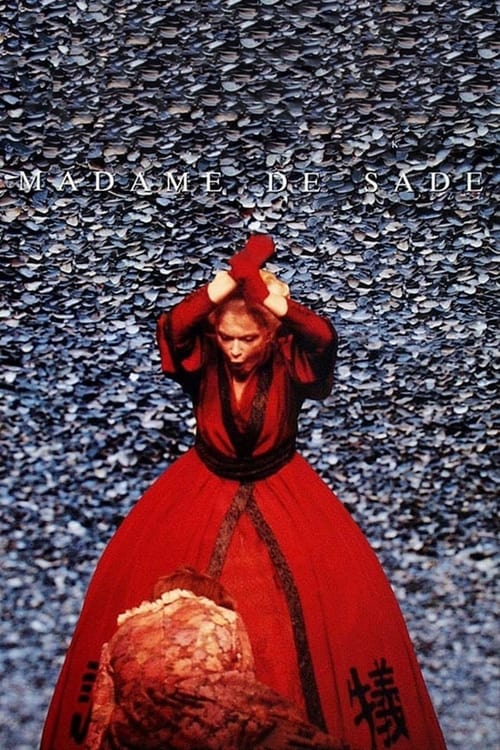
This television production captures Ingmar Bergman’s stage adaptation of Yukio Mishima’s Madame de Sade, set in France from 1772 to the aftermath of the French Revolution. While the Marquis de Sade remains imprisoned, six women—including his wife Renée—debate his actions, reputation, and meaning, revealing conflicting views on devotion, morality, and power.
1965

1967

2000

1976
1997

2000

2021

1969
No reviews yet. Be the first to share your thoughts on this movie!
Use the rating form above to leave a star rating and optional review.