
Madame Bovary
2015
No user ratings available yet
Representation score: 4.2 out of 10
Representation Score
Excellent
2000
RDirector
Philip Kaufman
Runtime
124 minutes
Average Rating
No ratings yetNew Showbiz Analysis
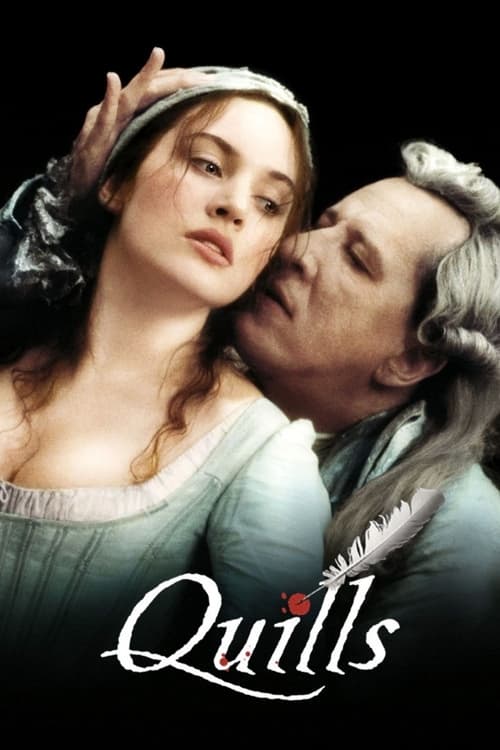
Philip Kaufman’s drama is a sophisticated exploration of individual ability to act versus systemic oppression. It excels at dismantling traditional hierarchies, especially those related to gender and sexual morality, by treating transgressive desire as a fundamental human right. The film's strength lies in its intellectual subversion. It avoids depicting women as passive figures and instead presents them as active participants in power dynamics. The critique of religious and medical institutions provides a deep, anti-authoritarian narrative framework. However, the film is limited by its historical setting. The lack of racial diversity reflects the period's demographics, which restricts the scope of ethnic representation within the narrative.
Category Breakdown
The film examines non-traditional gender identities and sexualities through the Marquis's writings. It portrays desire as a means of resisting oppressive moral codes rather than a personal flaw.
Female characters play a significant role in driving the story and have strong intellect. Madeleine, in particular, challenges the era's expectations of women by using her sexuality to navigate and influence the asylum's power structures.
The cast is predominantly white, reflecting the Eurocentric setting of early 19th-century France. The narrative does not incorporate diverse ethnic backgrounds or actors of different races playing traditionally white roles.
The story offers a powerful critique of religious morality and state authority. It portrays the Marquis's controversial ideas as a form of intellectual freedom against institutional censorship.
The asylum setting explores various mental health conditions and neurodivergence without resorting to inspirational stories. The inmates' psychological states are shown as integral to their identities and resistance.
Present on Screen
Limited or Absent
Official Synopsis
In early 19th-century France, the Marquis de Sade is confined to an asylum where his forbidden writings continue to circulate beyond its walls. As the authorities tighten control, a clash unfolds between the Marquis’ unyielding imagination, the reformist ideals of the Abbé in charge, and the repressive measures of a doctor sent to silence him. Desire, power, and censorship collide in a battle over freedom of expression.
2015

1971

1989

1995

2013
1991
1997

1989
No reviews yet. Be the first to share your thoughts on this movie!
Use the rating form above to leave a star rating and optional review.