
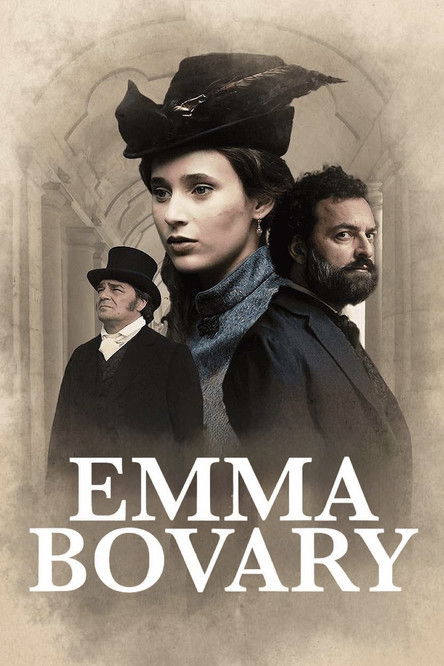
Two Women
2021
No user ratings available yet
Representation score: 4.3 out of 10
Representation Score
Fair
2021
Director
Didier Bivel
Runtime
102 minutes
Average Rating
No ratings yetNew Showbiz Analysis
The film stands out by using a meta-narrative courtroom drama to question historical gender hierarchies and institutional morality. By focusing on the status of women, it offers a powerful critique of 19th-century social constraints. However, the period setting restricts racial and ethnic diversity, reflecting the demographic uniformity of 1850s France. The absence of explicit LGBTQ+ representation also keeps those scores moderate. Overall, the work is a sophisticated exploration of how individual ability to act conflicts with the oppressive legal and religious structures of the past.
Category Breakdown
The film examines the breaking of 19th-century social norms and unconventional desires. However, it does not explicitly show specific LGBTQ+ character arcs or non-straight relationships.
The story focuses on the status of women and challenges patriarchal constraints. Emma’s struggles highlight the systemic oppression faced by women and their fight for ability to act.
The 1857 French setting implies a homogeneous population typical of the time. The narrative likely features a traditional Western European cast without significant racial diversity.
The plot criticizes the Church and State through a trial for obscenity. It breaks down traditional institutions and explores personal morality.
There is no mention of characters with visible or invisible disabilities in the narrative.
Present on Screen
Limited or Absent
Official Synopsis
1857. A courtroom. The prosecutor and defense counsel prepare to face off. Between them: Gustave Flaubert, the man on trial. Madame Bovary is charged with obscenity and offending public morals. As the two sides lay out their cases, the novel springs to life. Emma's story unfolds before our eyes. The trial is a reality check for us, rekindling the debate over the status of women at the time. What will the verdict be for Flaubert? What will the verdict be for women - for all the other Emmas?
2021
2015
1997
1991
2015
2014
2006
2015
No reviews yet. Be the first to share your thoughts on this movie!
Use the rating form above to leave a star rating and optional review.