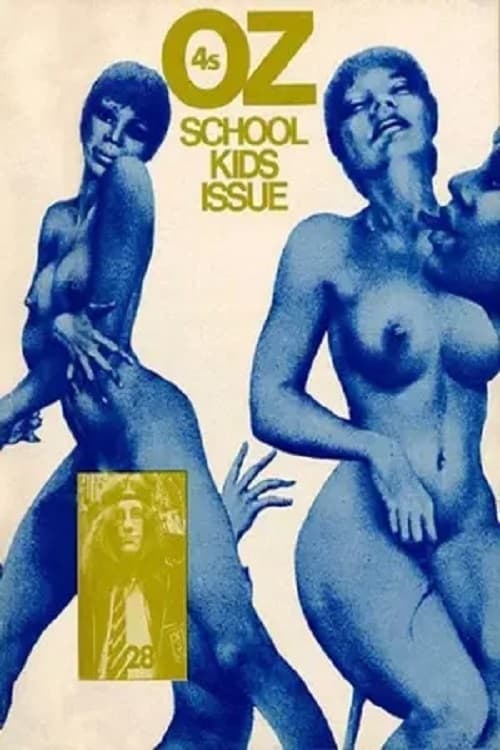
The Trials of Oz
1991
No user ratings available yet
Representation score: 6.1 out of 10
Representation Score
Fair
2000
RDirector
Frank Pierson
Runtime
104 minutes
Average Rating
No ratings yetNew Showbiz Analysis
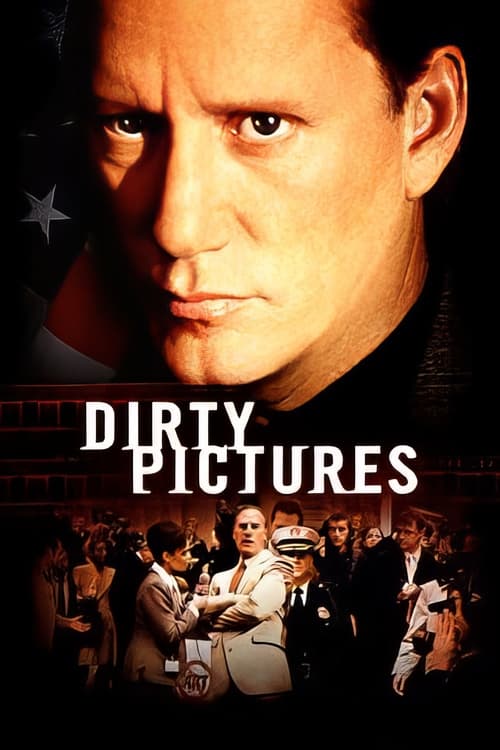
Dirty Pictures is a character-driven drama that explores the intersection of art, censorship, and systemic scrutiny. By focusing on the legal fallout of Robert Mapplethorpe’s photography, the film delves into queer expression and the friction it causes within traditional legal structures. The film excels in its engagement with LGBTQ+ themes and its critique of traditional moral hierarchies. However, the film appears limited by its period setting and institutional focus. The representation of race and gender seems tied to the established hierarchies of 1990s high-culture environments, offering less visibility for diverse demographics.
Category Breakdown
The film centers on the legacy of Robert Mapplethorpe, making queer identity and non-traditional aesthetics central to the plot. It explores how queer individuals navigate controversial, sadomasochistic imagery.
The narrative focuses on institutional leadership and legal battles within a museum and courtroom setting. While power structures are explored, the specific roles and influence of female characters are not clearly defined.
Set in 1990 Cincinnati, the film likely reflects the traditional demographic compositions of high-culture institutions from that era. There is little evidence of diverse racial representation.
The story critiques traditional institutional authority and moral relativism. It contrasts individual creative liberation against the restrictive, state-sanctioned ethical standards of Western legal systems.
There is no evidence of characters with visible or invisible disabilities playing a central role in the narrative.
Present on Screen
Limited or Absent
Official Synopsis
A Cincinnati museum director goes on trial in 1990 for exhibiting sadomasochistic photographs taken by Robert Mapplethorpe.
1991
1989
1990

2019
1992
1976

1990
1974
No reviews yet. Be the first to share your thoughts on this movie!
Use the rating form above to leave a star rating and optional review.