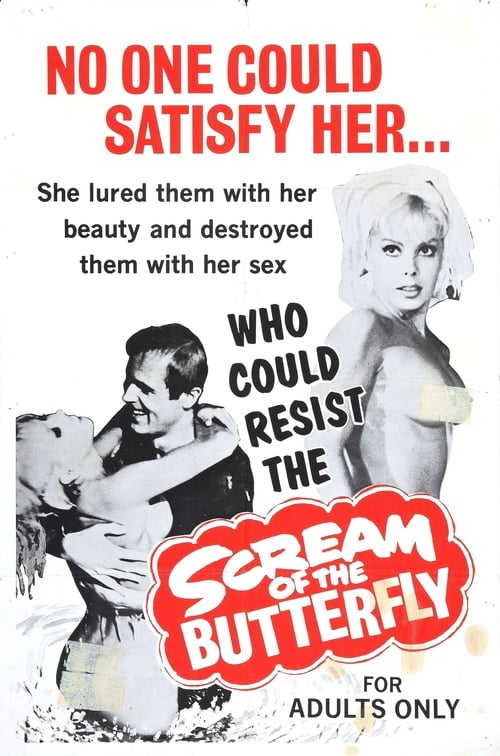
Scream of the Butterfly
1965
No user ratings available yet
Representation score: 3.4 out of 10
Representation Score
Limited
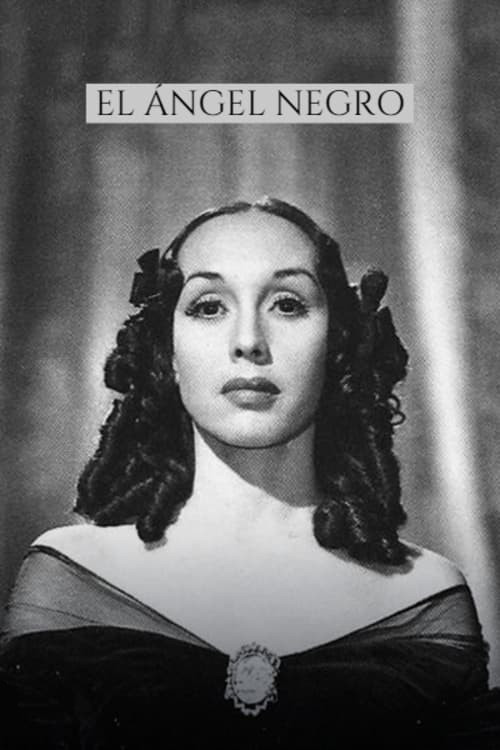
1942
Director
Juan Bustillo Oro
Runtime
126 minutes
Average Rating
No ratings yetNew Showbiz Analysis
Dark Angel stands out as a significant work of the Golden Age of Mexican cinema, particularly for its portrayal of a strong, independent female character who defies the passive female stereotype of the time. The film moves beyond the typical domestic clichés of the era to explore psychological complexity. While the film offers a culturally authentic representation through its Mexican cast, it remains confined by the social norms of its time. It lacks modern markers of diversity, such as LGBTQ+ visibility or disability representation. Ultimately, the film's strength lies in its refusal to portray women solely as submissive figures, adding a layer of independence and ability to act that sets it apart from other melodramas of the period.
Category Breakdown
The film follows the traditional social norms of 1940s Mexican melodrama and does not depict same-sex relationships or non-binary gender identities.
The movie centers on a strong female protagonist who challenges traditional gender roles and disrupts the passive female stereotype of the time.
The film showcases a predominantly Mexican cast, highlighting indigenous and mixed heritage, offering a true reflection of the 1940s Mexican society.
The story is deeply rooted in traditional religious and fatalistic themes, reflecting the moral and social structures of the era.
The film does not include any depiction of physical or neurological disabilities. Character struggles are portrayed through psychological drama and fate.
Present on Screen
Limited or Absent
Official Synopsis
Despite the strange death of Jorge's previous wives, Elisa decides to marry him.
1965
1947
1945

1940
2011
1947

1949
1997
No reviews yet. Be the first to share your thoughts on this movie!
Use the rating form above to leave a star rating and optional review.