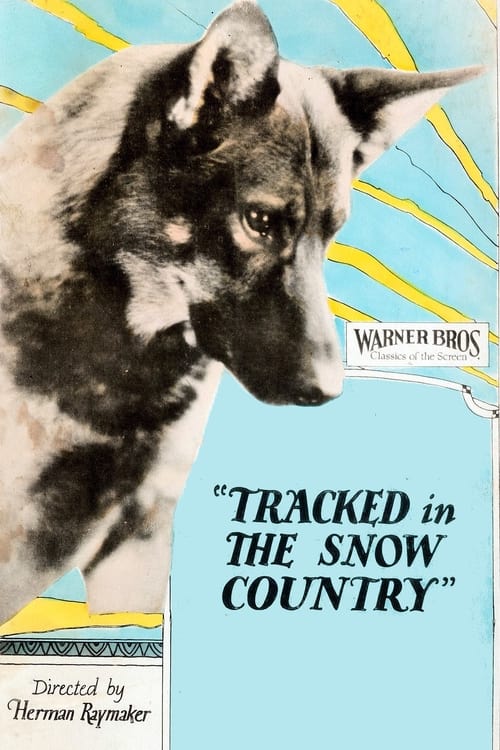
Tracked in the Snow Country
1925
No user ratings available yet
Diversity score: 1.8 out of 10
2006
PGDirector
Sandy Tung
Runtime
90 minutes
Average Rating
No ratings yetSynopsis
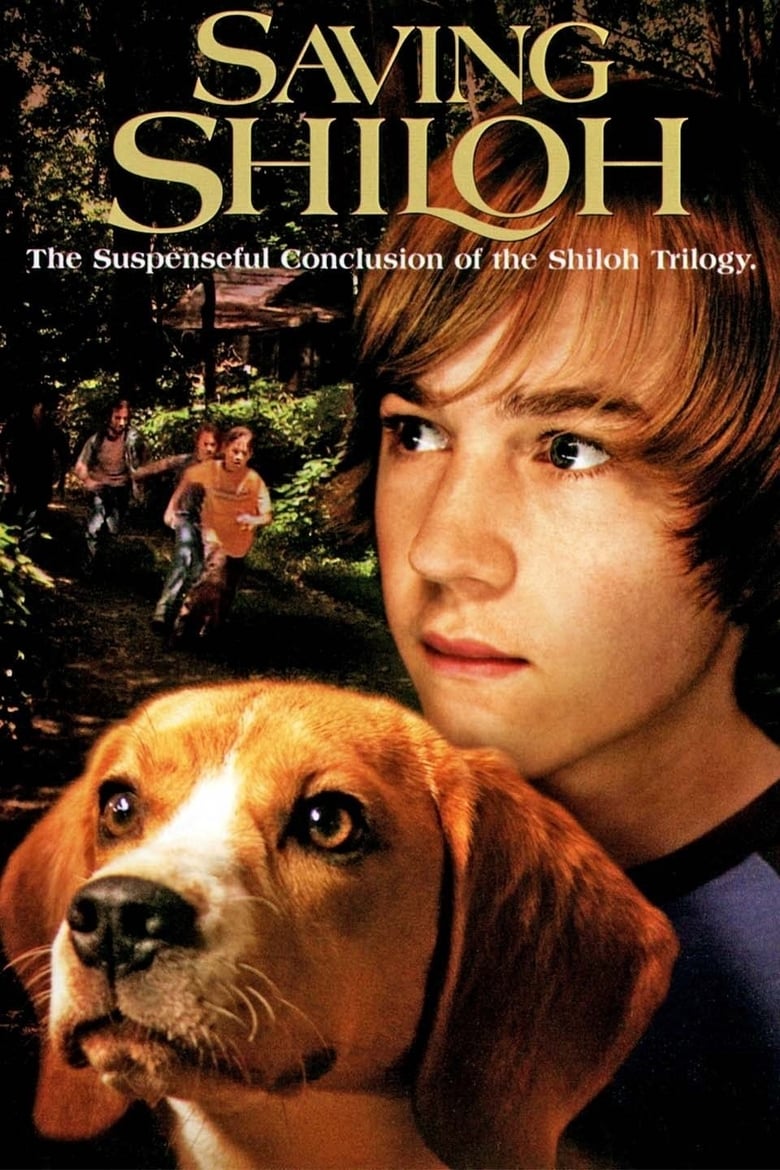
In this third movie about Shiloh, Judd Travers is accused of killing a man he once fought in a bar. Everyone in the town consider Judd to be guilty except Marty Preston, but even him has some doubts. Trying to clear Judd's name Marty and his friend searches the woods to find the criminal.
Overall Score
Limited
Category Breakdown
LGBTQ+ Representation
The film lacks LGBTQ+ characters or explorations of non-heteronormative identities. The narrative focuses strictly on rural community dynamics and the central mystery surrounding Judd Travers.
Gender Representation
The story follows traditional structures common in family dramas, driven by a young male protagonist. It lacks significant female agency or a deconstruction of traditional masculinity.
Racial & Ethnic Diversity
The cast is predominantly homogeneous, reflecting a specific localized setting in the rural American South. The film does not include non-Anglo-Saxon perspectives or intentional intersectional representation.
Religious & Cultural Diversity
The narrative emphasizes community cohesion and individual integrity within a traditionalist worldview. It reinforces standard social bonds rather than deconstructing Western institutions or social frameworks.
Disability Representation
There are no visible or invisible disabilities portrayed with agency. No character arcs are defined by physical impairment or neurodivergence.
Strengths
Areas for Improvement
AI Analysis
Saving Shiloh is a conventional family drama that prioritizes localized, traditional storytelling. It adheres to established social hierarchies and demographic profiles without attempting to subvert them through progressive narrative disruption. The film relies on standard character archetypes and a moral framework centered on loyalty and community justice. This approach results in a lack of intersectional complexity or systemic critique. Ultimately, the production maintains a homogeneous perspective that reflects its specific rural setting but fails to engage with broader diverse identities or modern social deconstruction.
1925
2013
2013
2015
1983

2003
2005

2009
1999
No reviews yet. Be the first to share your thoughts on this movie!
Use the rating form above to leave a star rating and optional review.