Tres amigos
1970
No user ratings available yet
Representation score: 1.3 out of 10
Representation Score
Limited
2004
Director
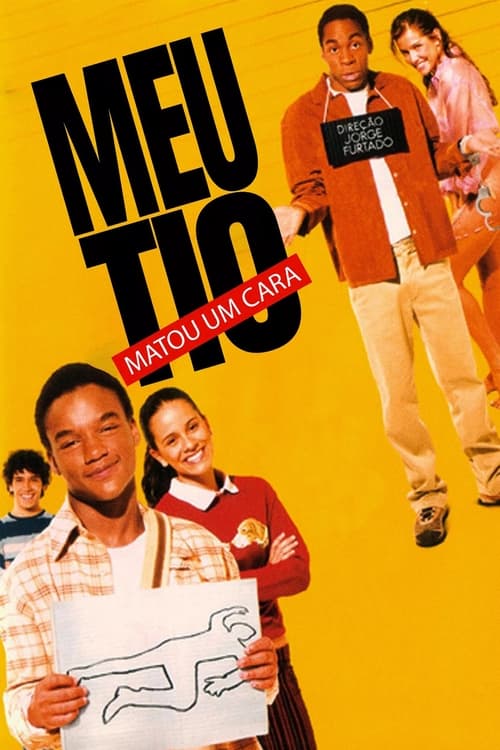
Jorge Furtado
Runtime
87 minutes
Average Rating
No ratings yetNew Showbiz Analysis
Jorge Furtado’s film is a sophisticated intellectual exercise that prioritizes postmodern inquiry over demographic variety. It functions more as a critique of systemic causality than a study of identity. The narrative's strength lies in its cultural and institutional deconstruction. By questioning the stability of legal logic and objective truth, it offers a progressive view of how society operates. However, the film lacks meaningful representation across most identity-based categories. It remains a male-centric exploration of legal and social consequences, offering little space for diverse gender or sexual identities.
Category Breakdown
The film does not include any LGBTQ+ characters or narratives. It focuses on the legal and familial implications following a specific violent incident.
The story centers around male-driven conflicts and family dynamics. Female characters play minor roles and do not play a significant role in driving the story or subvert traditional gender power structures.
Set in Brazil, the film reflects a local reality through a documentary-style approach. It provides a Global South perspective that challenges Anglo-centric cinematic norms.
The film excels at deconstructing institutions and the linear logic of the legal system. It uses a postmodern structure to critique societal assumptions about culpability.
There are no characters with visible or invisible disabilities in the film. Such characters are not used as central plot devices or shown who play a significant role in driving the story.
Present on Screen
Limited or Absent
Official Synopsis
Éder is arrested after confessing the murder of a man. Duca, his nephew, is sure that his uncle confessed the crime to protect his girlfriend, Soraya, ex-wife of the deceased, so he enlists two of his friends to help prove his theory.
1970

2020

1992

2005
1995

1995

2012
2017
No reviews yet. Be the first to share your thoughts on this movie!
Use the rating form above to leave a star rating and optional review.