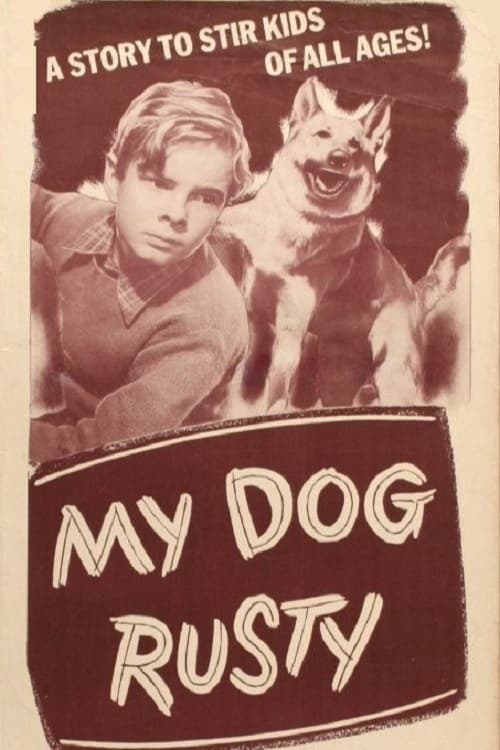
My Dog Rusty
1948
No user ratings available yet
Diversity score: 1.8 out of 10
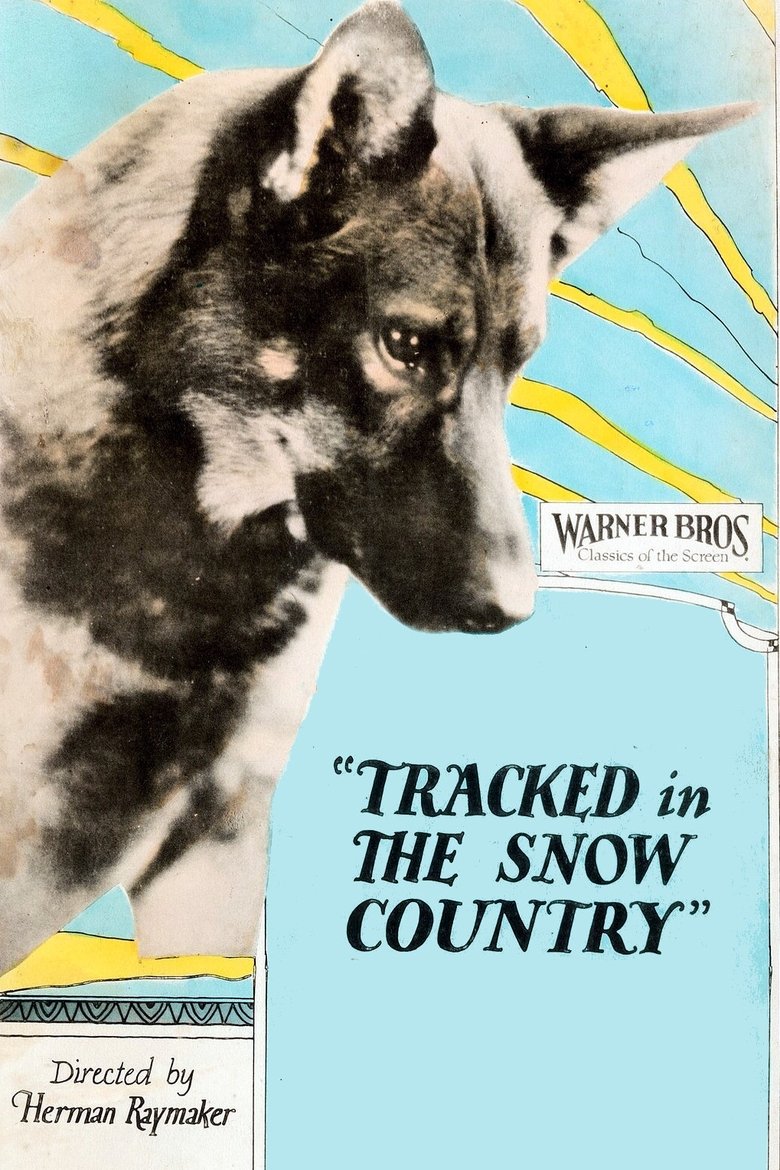
1925
PassedDirector
Herman C. Raymaker
Runtime
70 minutes
Average Rating
No ratings yetSynopsis
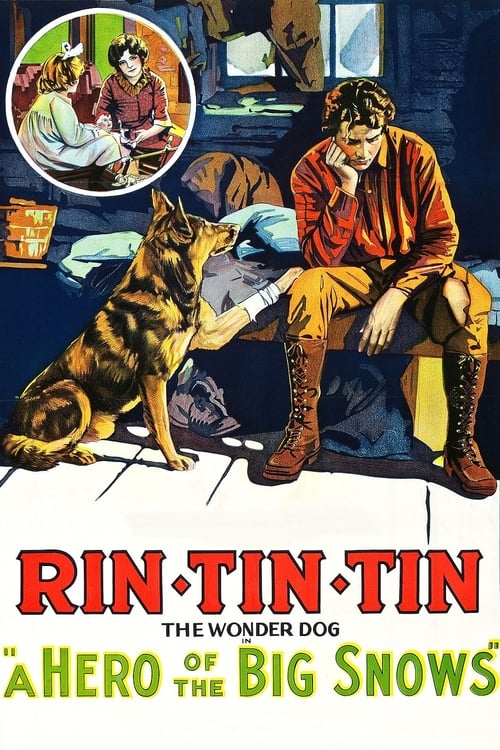
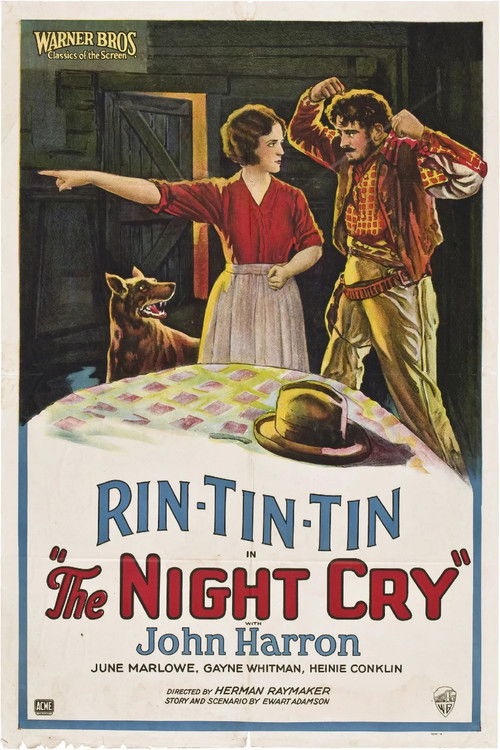
When Rin-Tin-Tin's master is found murdered, Rinty is accused of the crime.
Overall Score
Minimal
Category Breakdown
LGBTQ+ Representation
The film focuses on the bond between a dog and its master. There are no depictions of non-cisnormative identities or same-sex intimacy.
Gender Representation
The narrative emphasizes a male-centric hierarchy involving the master and the dog. It appears to follow traditional early 20th-century patriarchal tropes.
Racial & Ethnic Diversity
The film follows standard silent-era patterns that often utilized homogeneous casting. The narrative framework does not suggest any disruption of Anglo-centric norms.
Religious & Cultural Diversity
The story utilizes a conventional Western moral structure centered on innocence and accusation. It does not challenge institutional or cultural hierarchies.
Disability Representation
There is no evidence of characters with visible or invisible disabilities being portrayed with agency within the narrative.
Strengths
Areas for Improvement
AI Analysis
Tracked in the Snow Country is a silent-era drama built around the animal heroism of the Rin-Tin-Tin franchise. Because the plot is driven by a canine protagonist navigating a legal crisis, the film lacks the structural capacity for complex human identity politics. The production adheres to the standard industry patterns of the mid-1920s. It reinforces conventional dramatic structures rather than offering nuanced social commentary or intentional subversion of cultural norms. Ultimately, the film functions as a traditional genre piece. The focus remains on animal agency and loyalty rather than human intersectionality or the disruption of social hierarchies.
1948

2006
2012
2003
2005
1978

2021
1972
1926
1926
No reviews yet. Be the first to share your thoughts on this movie!
Use the rating form above to leave a star rating and optional review.