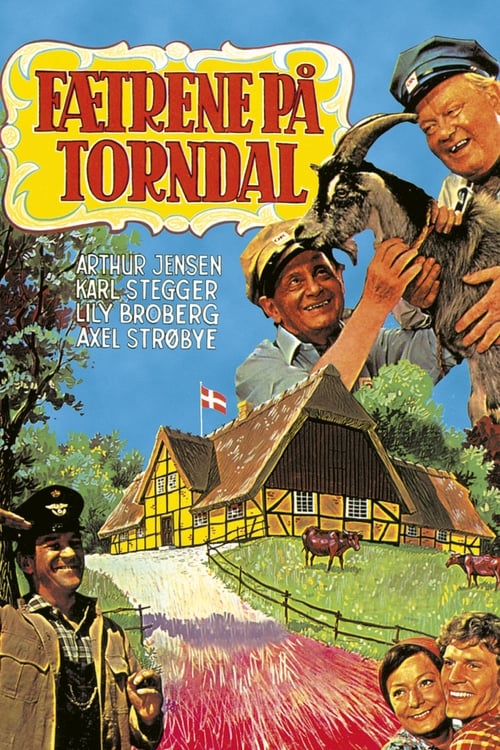
Fætrene på Torndal
1973
No user ratings available yet
Representation score: 1.8 out of 10
Representation Score
Minimal
1975
Director
Peer Guldbrandsen, Ib Mossin
Runtime
93 minutes
Average Rating
No ratings yetNew Showbiz Analysis
The film operates as a traditional mid-century Scandinavian drama, prioritizing established social structures and familial legacy. Its narrative architecture is built around conventional notions of justice and property ownership. While the protagonist's transnational connection as a Danish-American adds a layer of heritage, the film remains rooted in a homogeneous demographic. It lacks the complexity or disruption of hierarchies necessary for a more progressive score. Ultimately, the story functions as a period-adjacent drama that reinforces traditional values rather than challenging them.
Category Breakdown
The film does not include any LGBTQ+ characters or stories that question the assumption that everyone is straight or cisgender. Instead, it follows a traditional romantic and family storyline typical of 1970s regional cinema.
The main character is a man who navigates legal and family traditions. While another character, Nicoline, plays an active role, the story is framed through a traditional masculine perspective.
The story focuses on a Danish-American returning to a small, localized community. This emphasis on lineage suggests a largely homogeneous Northern European population.
Themes of justice and family honor reinforce traditional moral frameworks. The narrative focuses on restoring legal truth and preserving property rather than critiquing institutions.
There are no visible or invisible disabilities mentioned within the character arcs or plot drivers.
Present on Screen
Limited or Absent
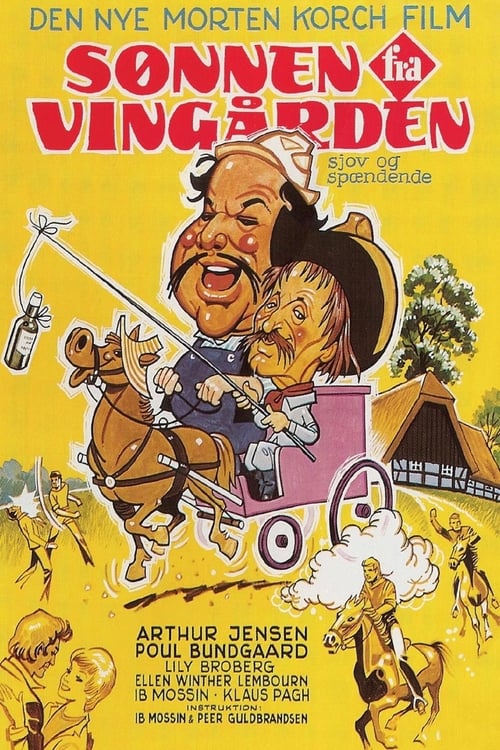
Official Synopsis
The vineyard is facing demolition. It has been 30 years since Uncle Olsen died, and after 30 years, the farm must be sold if no one in the Martin family wants to buy it. When a Danish-American arrives in the small town, Jacobsen sends Nicoline to investigate the stranger's room. Erik Hein, born Martin, tries to buy the vineyard but is prevented from doing so. Instead, he buys Sophienberg. Many years ago, Erik's father signed a confession of embezzlement against the vineyard. Erik believes in his father's innocence and gets help from some of the town's righteous residents to prove his father's innocence.
1973
1990
1964

2016
1969
2004
1955

1984
No reviews yet. Be the first to share your thoughts on this movie!
Use the rating form above to leave a star rating and optional review.