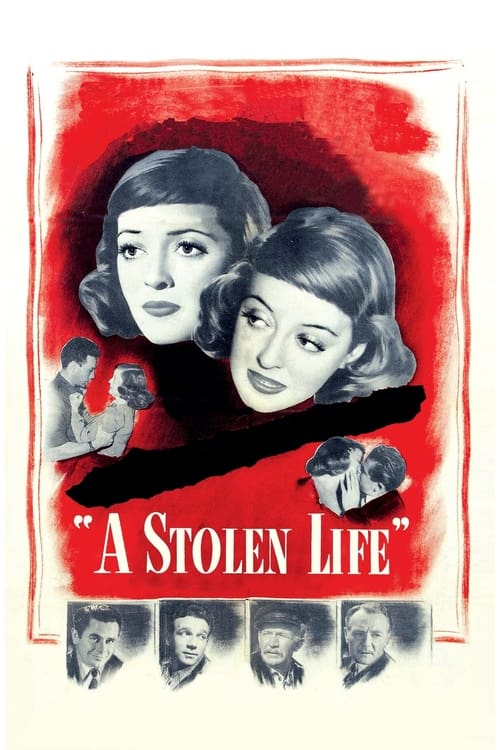
A Stolen Life
1946
No user ratings available yet
Representation score: 1.7 out of 10
Representation Score
Limited
1955
Director
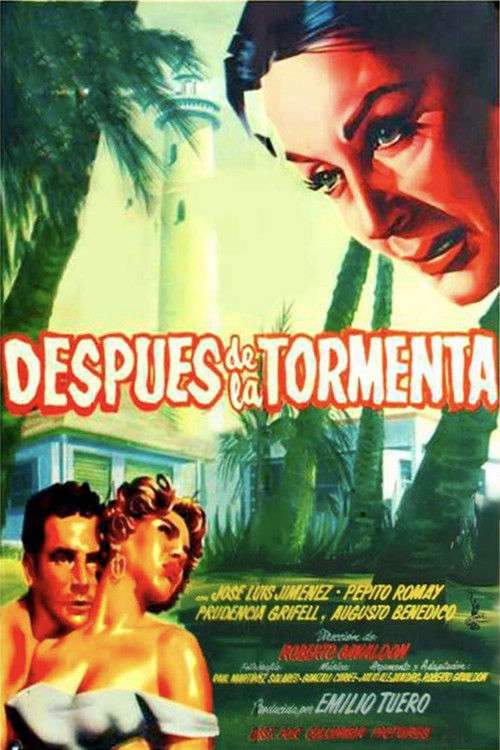
Roberto Gavaldón
Runtime
95 minutes
Average Rating
No ratings yetNew Showbiz Analysis
Roberto Gavaldón's melodrama reflects its time, emphasizing psychological tension and technical skill over social critique. Though it stands as a significant marker of Mexican cinema, its narrative remains very traditional. The film leans on mid-century storytelling clichés, especially concerning gender roles and moral outcomes. The central issues of identity and infidelity follow traditional social hierarchies without challenging them. Overall, the film exemplifies the Golden Age, offering regional representation while maintaining the strict social and romantic norms typical of 1950s melodrama.
Category Breakdown
The film focuses on heterosexual relationships and identity changes, without showing same-sex intimacy or non-binary gender identities.
Women in the film mainly serve as emotional support within a home setting. The story uses traditional gender stereotypes of longing rather than challenging patriarchal structures.
The cast is mostly Mexican, reflecting the region's identity during the Golden Age. It provides a non-Anglo-Saxon viewpoint in the 1950s film world.
The storyline upholds traditional views on fidelity and marriage sanctity. It supports conventional social norms without questioning them.
There are no visible or invisible disabilities shown as key elements of the story or character development.
Present on Screen
Limited or Absent
Official Synopsis
This Mexican melodrama may have been released above the border as After the Storm. The principal characters are a pair of twin lighthouse keepers. They try their best to live together with their wives under the same roof, but the delicate balance is shattered when one of the brothers falls in love with his sister-in-law. When one twin is lost during a storm, the other assumes his identity, with the expected romantic complications. If Despues de la Termenta sounds familiar, it is because the screenplay was inspired by the 1946 Bette Davis vehicle A Stolen Life.
1946
1964
1959
1952
1946
1943
1951
1962
No reviews yet. Be the first to share your thoughts on this movie!
Use the rating form above to leave a star rating and optional review.